
Portable air conditioner buying mistakes often come down to choosing for the price or appearance before checking whether a unit suits the room, window and daily routine. A portable model can be a useful option when fixed air conditioning is not suitable, but it still needs a realistic plan for venting, placement and ongoing care. This guide explains what to check so you can compare options with more confidence.
Start by browsing the Nola Appliances store, then use the product information on the Portable Air Conditioners category to narrow down models. At the time of writing, the category offers a range of listings, so it is worth comparing the details rather than assuming similar-looking products work in the same way.
1. Buying for the whole home instead of the room
A portable air conditioner is generally selected to cool a particular enclosed area, not to replace a whole-home system. One of the most common mistakes is expecting it to cool an open-plan living zone, several connected rooms or a space with doors constantly opening.
Before shopping, define the room you want to cool and consider:
- the room’s floor area and ceiling height
- how much afternoon sun enters through windows
- whether the room is insulated or draughty
- heat from cooking, computers, televisions or several people
- whether doors to adjoining rooms can stay closed.
Use the manufacturer’s stated room-size guidance as a starting point, not a guarantee. A sunny top-floor bedroom may need a different approach from a shaded study of the same dimensions. If the room is difficult to cool, reducing heat gain with blinds, curtains and closed doors can be as important as the appliance itself.
2. Ignoring the exhaust-hose and window setup
A portable air conditioner needs a way to expel warm air outside. Forgetting this is one of the most frustrating portable air conditioner buying mistakes. Simply placing the unit near a window is not enough if the hose cannot be fitted securely and the opening cannot be reasonably sealed around it.
Measure before the unit arrives
Check the window type, opening direction and available space near it. Think about the path between the unit and the window as well: a long, awkward or sharply bent hose route can make installation less practical. Read the listing and supplied instructions to understand what components are included and whether your window arrangement needs an additional compatible solution.
Do not assume that every window kit suits every window style. Renters should also check what temporary installation methods are appropriate for their property before making changes.
3. Confusing cooling capacity, power use and running cost
Technical numbers can be useful, but they do not all mean the same thing. Cooling capacity describes the unit’s cooling capability under stated conditions, while electrical input or wattage relates to power consumption. Neither figure alone tells you exactly what your electricity bill will be.
A better comparison considers the appliance’s stated ratings, the expected hours of use, your electricity plan and the room conditions. A unit that struggles because it is too small for a hot room may run for longer, while a model chosen solely because it has a larger number may be unnecessary for a modest enclosed room.
Compare like with like
When comparing listings, make sure the capacity figures use the same measurement standard. Read the product documentation rather than relying on a headline figure or a general rule quoted elsewhere online. If an important figure is unclear, pause and seek clarification before ordering.
4. Forgetting about drainage and humidity
Cooling air can also remove moisture from it. Depending on the model, weather and indoor humidity, a portable air conditioner may handle collected water in different ways, such as evaporation, a tank or a drainage connection. The details matter, particularly in humid conditions.
Check the product information for drainage requirements and plan where the unit will sit if water needs to be emptied or directed away. Avoid placing it where checking a tank, accessing a drain point or cleaning around the unit will be difficult. Never let drainage considerations become an afterthought near carpet, power points or valuable furnishings.
5. Treating noise as an afterthought
Portable units contain moving components, so sound can be noticeable—especially at night or in a quiet work area. A buyer may be comfortable with a unit in a living room during the day but find it distracting in a bedroom, nursery or study.
Look for the manufacturer’s stated noise information where available, and think about when you will actually use the appliance. Placement can also affect your experience. A solid, level surface helps, while allowing sensible clearance around the appliance supports airflow and makes it easier to access controls and filters. Follow the specific placement guidance in the product manual.
6. Not planning for the electrical connection
Portable air conditioners should be connected and used in line with the manufacturer’s instructions and relevant electrical safety guidance. Before buying, identify a suitable nearby wall outlet and avoid treating an extension lead, overloaded board or cable running across a walkway as the default solution.
Consider the unit’s location in relation to curtains, bedding, furniture and other items that could obstruct airflow. A clear, stable position is safer and more likely to let the appliance operate as intended. If you are uncertain about electrical suitability in your home, obtain qualified advice.
7. Skipping filter care and seasonal storage
Portable cooling is not completely maintenance-free. Filters can collect dust over time, and a unit that is put away wet or dirty can be unpleasant to unpack next season. Ignoring the care instructions may also affect airflow and convenience.
Before you buy, make sure you are willing and able to:
- check and clean filters at the intervals specified by the manufacturer
- empty or manage water as directed
- keep vents free from dust and obstruction
- allow the appliance to dry and prepare it for storage according to its manual
- retain the instructions and purchase information for future reference.
This small routine is easier if the unit is placed somewhere accessible rather than squeezed behind furniture.
8. Overlooking the difference between category and product listing
Online shopping is quicker when you use categories, but categories are navigation tools—not a substitute for reading the individual listing. Always verify the title, images, specifications and intended use of the exact product in your cart.
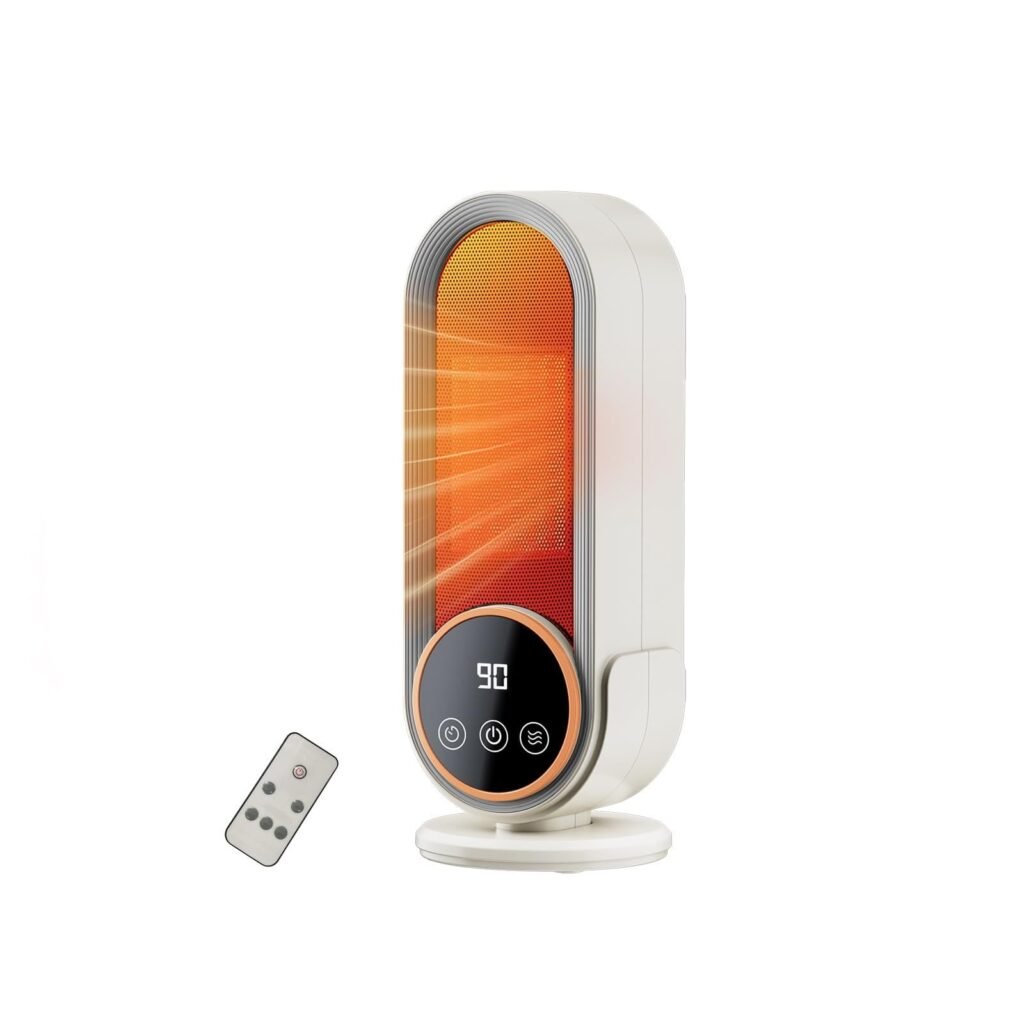
This is especially important where a listing appears unexpected within a collection. For example, the Space Heaters for Indoor Use with Remote listing is presented within the Portable Air Conditioners collection, but its title and description identify it as a 1200W PTC ceramic portable heater. It may be relevant when comparing seasonal indoor climate appliances, yet it is a heating product rather than a portable air conditioner. Treat it as an example of why the individual product page—not the category label alone—should guide your decision.
A quick listing-check routine
- Read the full product title and confirm the appliance type.
- Match the stated function to your need: cooling, heating, dehumidifying or another purpose.
- Review the supplied specifications, controls, included items and care information.
- Confirm the size, placement and power requirements work in your space.
- Recheck the item in your cart before completing the order.
9. Choosing without a practical comparison shortlist
It is easy to compare dozens of products and still miss the factors that matter at home. Instead, make a shortlist of two or three suitable options from Nola Appliances and compare them against the same criteria. This makes trade-offs clearer and helps prevent an impulse purchase based on only one feature.
Your shortlist can include room suitability, venting arrangement, stated noise information, drainage method, dimensions, controls, maintenance tasks and price. Add any household-specific needs, such as whether the unit must be moved between rooms or stored in a cupboard during cooler months.
The best choice is not automatically the largest or most feature-packed unit. It is the one whose documented requirements fit the room and whose day-to-day setup you can realistically manage.
Final checklist before buying
Run through this short checklist before you commit:
- I have measured the room and considered sun, insulation and heat sources.
- I have a workable window and exhaust route.
- I understand the listing’s cooling, power and drainage information.
- I have considered noise for the time and room where it will operate.
- I have a suitable location with access to an appropriate power outlet.
- I have read the exact product page and confirmed it is an air conditioner, not another appliance type.
- I understand the basic cleaning and storage tasks.
By avoiding these portable air conditioner buying mistakes, you can focus on the practical details that shape everyday comfort. Explore the Portable Air Conditioners range at Nola Appliances when you are ready to compare individual listings carefully.
Frequently asked questions
Do portable air conditioners need to be vented outside?
In normal cooling operation, portable air conditioners require a route to expel warm air outside, commonly through a window arrangement. Check the individual product’s instructions for its required installation and make sure your window type can accommodate it.
How do I choose a portable air conditioner for my room?
Start with the manufacturer’s stated room guidance, then account for ceiling height, direct sunlight, insulation, occupancy and other heat sources. Choose for the actual enclosed room you intend to cool, rather than the entire home or an open space beyond it.
Can I use a portable air conditioner in a bedroom?
It can be an option if the room has a practical venting arrangement, suitable placement and an appropriate outlet. Review the product’s stated noise information and consider whether its operating sound and lights will suit your sleep environment.
Do portable air conditioners need to be emptied?
It depends on the model and the humidity conditions. Some units manage moisture differently from others. Read the product documentation to understand whether drainage, tank emptying or a particular setup is required.
Is a portable heater the same as a portable air conditioner?
No. A portable heater is designed to provide heat, while a portable air conditioner is designed for cooling and needs appropriate exhaust venting. Always confirm the product title, function and specifications on the individual listing, particularly if a product appears in an unexpected category.
What should I check before storing a portable air conditioner?
Follow the manufacturer’s storage instructions. This commonly involves cleaning accessible filters, managing any collected moisture and keeping the appliance dry and protected. Retain the manual so you can reinstall and maintain it correctly when warm weather returns.


