
Knowing how to choose hair styling products can make the difference between a routine that feels simple and one filled with half-used bottles and unsuitable tools. The right choices depend less on following every trend and more on understanding your hair’s texture, condition, styling habits and the finish you actually want. This guide walks through a practical way to assess products before adding them to your routine.
Start with your styling goal, not the product label
Before browsing, decide what you need help with on most wash days. A product that is useful for defined curls may not be the right option for smoothing a blow-dry, and a strong hold product can feel unnecessary for a soft, touchable finish.
Write down one primary styling goal and, if needed, one secondary goal. Common goals include:
- Adding hold to an upstyle, braid or sleek ponytail
- Reducing the appearance of flyaways and creating a smoother finish
- Defining waves or curls
- Adding volume at the roots
- Creating texture for a relaxed, lived-in look
- Supporting a blow-dry or heat-styled look
- Refreshing the appearance of hair between washes
This short list gives you a useful filter. Rather than buying a mousse, cream, spray and wax because they look similar, you can focus on the format that best matches the result you are trying to achieve.
Assess your hair before choosing hair styling products
Hair type matters, but it is not the only consideration. Think about strand thickness, density, current condition and how your hair behaves in humidity or after brushing. These factors affect how much product your hair can comfortably take and which textures are easiest to distribute.
Fine or low-density hair
Fine hair can become weighed down quickly, particularly with rich creams, oils or heavy waxes. If volume is a priority, look for lighter formats and apply gradually, concentrating product where it is needed. Root-focused products, light mousses and fine mists may be easier to control than dense formulas.
Thick, coarse or very dry hair
Hair with more density or a coarser texture may need more slip and moisture during styling. Creams, balms and smoothing products can be useful where they help make sectioning and shaping more manageable. Begin with a modest amount, then add more only if your hair still needs it.
Wavy, curly or coily hair
For textured hair, consider whether you want definition, softness, hold or a combination of these. Layering can work well: for example, a moisturising base followed by a product that provides hold. Avoid judging a product only while hair is wet; observe how it feels and looks once fully dry.
Colour-treated or heat-styled hair
If you regularly colour, bleach, straighten, curl or blow-dry your hair, prioritise products that suit your current condition and styling method. Read directions carefully, especially for leave-in products and heat-related products. If your scalp is irritated, your hair is breaking, or you have a persistent skin concern, seek personalised advice from an appropriate health professional or hairdresser.
Match the product format to the finish you want
Product names can vary, so it is more useful to understand the role of each format. You do not need every type in your bathroom cabinet.
For hold and shape
Gels, hairsprays, waxes, pomades and pastes are generally chosen when you want a style to stay in place. A flexible hold can suit movement and softer styles, while a firmer hold may suit defined shapes or occasions when you want less movement. Check whether a product is designed for damp or dry hair before applying it.
For volume and texture
Mousse, texturising spray and some dry styling products can help create lift or separation. For a more natural result, start at the roots or through the mid-lengths and use less than you think you need. You can always add a little more, but removing excess product usually means restyling or washing.
For smoothness and shine
Smoothing creams, serums and finishing products are often applied sparingly through the lengths and ends. They can be helpful for a polished look, but too much can make hair appear flat or oily. Keep them away from the roots unless the directions specifically suggest otherwise.
For heat styling
When using heated tools, follow the instructions on both the styling product and the appliance. Work with clean sections, use a temperature appropriate for your hair’s condition, and avoid repeatedly passing a hot tool over the same area. A heat-related styling product is not a substitute for sensible technique.
Use a simple three-step shopping method
The Hair Styling Products collection at Nola Shop provides a starting point when you want to compare different options. With a sizeable range, a methodical approach can save time.
- Choose one job. Select the result you need most: hold, volume, definition, smoothing or refreshment.
- Check the application method. Look for whether the item is intended for wet, damp or dry hair, plus any guidance on amount and placement.
- Check suitability for your routine. Consider how often you style, whether you use heat, how much time you have, and whether the product texture sounds comfortable for your hair.
Then add only one new styling product at a time where possible. This makes it much easier to tell whether it works for you and helps prevent a crowded routine.
Read product pages carefully and spot category mismatches
Online shopping is convenient, but titles, categories and product descriptions should all make sense together. A good habit is to read beyond the category label and confirm the item’s intended use, contents, directions and relevant warnings before purchasing.
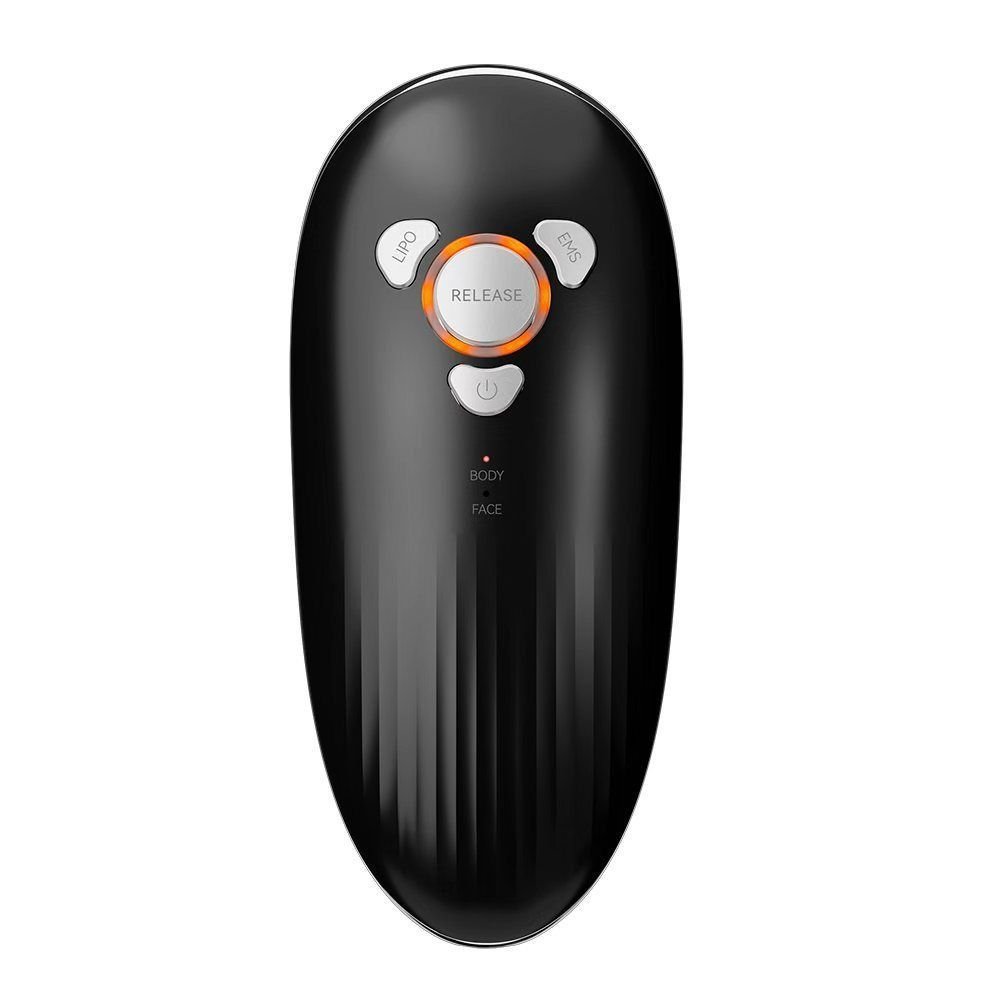
For example, the collection currently includes a listing titled Body Sculpting Machine with Red Light Therapy for Face & Body. Its description identifies it as a facial and body-care device involving cupping, micro-current massage and red-light therapy; it is not described as a conventional hair styling product. Treat this as a useful reminder to rely on the individual product page rather than assuming every item in a category serves the same purpose.
If you are specifically shopping for hair styling, choose products whose description and directions clearly relate to hair. For any facial or body device, read the supplied instructions and safety information closely, and consider whether it is appropriate for your personal circumstances. Do not use a device for a purpose not stated by its manufacturer or listing.
Build a manageable styling routine
Most people can begin with a small kit and adjust from there. A practical routine might include:
- One prep product for your main concern, such as definition, volume or smoothing
- One finishing product for hold, texture or flyaway control
- A comb, brush or styling tool that suits your usual hairstyle
- An optional heat-related product if you regularly use heated tools
Apply products in a consistent order. As a general guide, use lighter products before richer finishing products, and avoid layering several strong-hold products unless you know your hair responds well to them. Keep notes for a few uses: how much you applied, when you applied it and how the style held up. That small record is more valuable than chasing a perfect routine on the first attempt.
Make your routine easier to maintain
A styling routine should fit your real schedule. If you only have ten minutes in the morning, a multi-step routine that requires extensive sectioning may not be sustainable. Choose products you can apply confidently and tools you can clean and store easily.
Also pay attention to buildup. If hair starts to feel coated, limp or difficult to style, review how much product you are using and how thoroughly you are cleansing. Clarifying needs vary widely, so avoid adopting a rigid schedule simply because it works for someone else.
For more personal-care browsing, visit Nola Shop’s Health & Beauty store. Use product pages as your final check: confirm the intended purpose and directions, then choose the option that suits your hair, routine and preferences.
Frequently asked questions
What is the best way to choose hair styling products for beginners?
Start with one styling goal, such as reducing flyaways or adding curl definition, and buy one product designed for that purpose. Follow the directions, use a small amount and assess the result over several uses before adding another product.
Should I apply styling products to wet or dry hair?
It depends on the product. Many creams, mousses and curl products are applied to damp hair, while waxes, pastes and finishing sprays are often used on dry hair. Always follow the instructions on the individual item rather than relying on the product type alone.
Why does my hair look greasy after styling?
Greasy-looking hair can result from applying too much product, using a formula that is too rich for your hair, or placing product too close to the roots. Use less next time, focus on the lengths and ends where appropriate, and choose a lighter format if needed.
Can I use several hair styling products together?
Yes, but keep the combination purposeful. For instance, you may use a prep product before styling and a finishing product afterwards. Introduce products one at a time so you can identify what creates hold, weight or buildup in your own hair.
How do I know whether an online listing is relevant to hair styling?
Read the title, description, intended use and directions on the product page. A category placement alone is not enough. If the description discusses body, facial or another type of care rather than hair, it may not be suitable for a hair styling routine.