
Fireplace corner ideas can turn an underused part of the living room into a natural place to pause, read and gather. Whether you have a traditional wood heater, a fireplace surround or simply want to make the hearth wall feel more intentional, the most successful spaces balance comfort, clear walkways and a little visual calm.
Start with how you actually use the room. A fireplace corner may need to accommodate family conversation, a quiet armchair, firewood storage or all three. Once that purpose is clear, it becomes much easier to choose furniture, lighting and practical accessories that suit your home rather than overwhelm it.
1. Begin with a comfortable conversation zone
A fireplace is often a visual anchor, but that does not mean every piece of furniture needs to point directly at it. Arrange seating so people can comfortably talk to one another while still enjoying the warmth and atmosphere of the fire.
Try one of these simple layouts
- Two chairs at an angle: Position a pair of occasional chairs on a diagonal facing the hearth. Add a small table between them for a compact reading or conversation spot.
- Sofa opposite the hearth: In a larger room, place the sofa opposite the fireplace and use one or two chairs to complete a loose U-shape.
- One generous armchair: A deep chair, footstool and floor lamp can make a small fireplace corner feel purposeful without filling the room.
- Bench seating nearby: A slim bench can provide flexible seating while keeping the sightline to the fireplace open. Choose a design that does not obstruct safe access to the hearth.
Leave enough room to move through the space comfortably, particularly where people carry firewood or tend the fire. Keep furniture, soft furnishings and decor at a sensible distance from a working fireplace, and follow the appliance manufacturer’s clearance and safety guidance.
2. Layer texture instead of adding clutter
Cosiness comes from tactile layers, not from filling every surface. A fireplace zone is a good place to combine materials that feel at home together: timber, wool-look textiles, ceramic, linen and darker metals can all work beautifully.
Start with a rug that visually connects the seating area. Then introduce one or two cushions, a throw and perhaps a textured basket. In a home with a wood heater, a sturdy basket can also give kindling or other essentials a defined home, provided it is positioned safely away from heat.
Create a calm seasonal palette
For a warm, lived-in look, choose two or three main colours rather than matching everything exactly. Clay, olive, charcoal, oat and muted rust pair naturally with timber and brick. If your room is already dark, lift it with cream cushions, a pale rug or a light-toned artwork above the mantel.
In warmer months, swap heavy throws for linen or cotton textures and simplify the display. The fireplace corner can still feel like a strong focal point even when it is not in use.
3. Use lighting to make the corner inviting after dark
Firelight is atmospheric, but it is rarely enough for everyday tasks. Gentle layered lighting helps a fireplace corner remain useful after sunset without making it feel overly bright.
- Place a floor lamp beside a reading chair for focused light.
- Use a table lamp on a nearby console, side table or shelf to soften the room’s edges.
- Consider dimmable lighting where practical, so the mood can shift from everyday living to evening relaxation.
- Choose warm-looking bulbs and shades that diffuse light rather than exposing a harsh glare.
Avoid running cords across walkways or near a heat source. For a more considered finish, plan power points and lamp locations before committing to a furniture arrangement.
4. Style the mantel or hearth with one clear idea
Styling around a fireplace works best when there is a focal point. This might be a single artwork, a round mirror, a framed print leaning against the wall or a small collection of ceramics. Rather than using lots of small objects, build a quieter composition with different heights and shapes.
An easy mantel formula
- Choose one larger central piece, such as art or a mirror.
- Add a taller object to one side, such as a vase or sculptural candleholder.
- Balance it with a lower object or a small stack of books on the other side.
- Step back and remove anything that makes the display feel crowded.
For a hearth without a mantel, treat the adjacent wall or a nearby side table as your display area. Keep operational areas clear, and do not place decorative items where they could become a fire or heat hazard.
5. Make practical fireplace tools part of the look
Useful items do not have to be hidden away. A well-chosen log basket, fire tool set or protective hearth accessory can contribute to the character of the room while making the area easier to use. Look for finishes that repeat other details in the space, such as black metal lamp bases, aged brass hardware or natural timber furniture.
If you are exploring options for a home with a wood heater, visit Nola Appliances for a specialist range that can help you compare home appliance and air-circulation options. It is worth checking product information carefully against your heater type, available space and household needs before choosing an accessory.
6. Consider air movement as part of your fireplace plan
When arranging a room around a heater, many households also think about how warm air moves through the space. Room size, doorways, ceiling height and the placement of furniture can all affect how a room feels. Keep major pathways open and avoid boxing the heater into a crowded corner.
For a broad starting point, browse the Ceiling Fans collection at Nola Appliances. Although the collection name suggests a particular fan type, it includes an assortment of fan-related products, so use the individual listing details to confirm what each item is designed for and whether it suits your setup.
A heat-powered accessory as an example
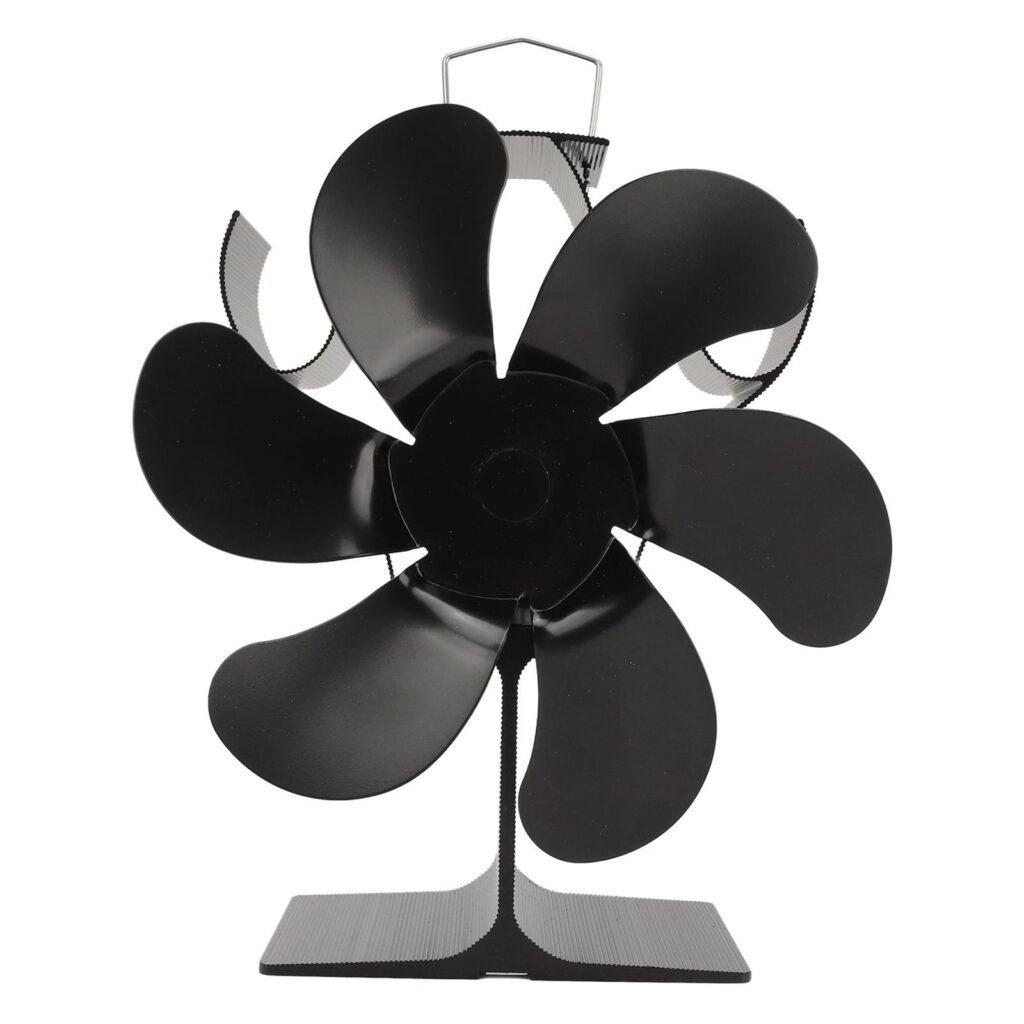
One option to investigate is the Stove Fan 6 Blades Fireplace Fan Heat Powered for Log Burner Home. The product listing describes a six-blade, heat-powered fireplace fan made with anodised aluminium and notes features including overheat protection. As with any heater accessory, check the full listing, instructions and compatibility requirements before purchase. Confirm placement requirements with your heater manufacturer and never compromise the clearances or operating advice supplied for the heater.
This type of accessory can be a practical consideration for a fireplace-focused room because it is compact and sits close to the heat source. It should not replace sensible room layout, ventilation or safe installation practices. Think of it as one possible detail in a broader plan for a comfortable, functional living area.
7. Give a small fireplace corner more purpose
A compact room does not need a grand hearth to feel welcoming. In fact, small fireplace corners often benefit most from restraint. Choose a narrower armchair, a round side table and a wall-mounted light or slim floor lamp. A mirror can help bounce natural light around the room, while a rug defines the zone without adding bulk.
Where storage is limited, select one attractive basket or a closed storage ottoman instead of several small containers. This keeps the eye on the fireplace and reduces the visual noise that can make a small room feel cramped.
8. Refresh the space through the year
A few simple seasonal changes keep a fireplace corner feeling relevant all year. During cooler weather, add a weightier throw, darker cushion covers and tactile materials. In spring and summer, introduce greenery, lighter fabrics and brighter artwork. The furniture layout can usually remain the same; it is the layers that do the changing.
The goal is not to create a display room. The best fireplace corner ideas support the rhythms of daily life: a place to put down a cup of tea, settle in with a book or spend an unhurried evening with the people at home.
Frequently asked questions
How do I arrange furniture around a fireplace?
Use the fireplace as a visual anchor, then position seating to support conversation and circulation. A sofa opposite the hearth or two chairs set at an angle are reliable starting points. Keep clear access to the fireplace and follow all recommended safety clearances.
What should I put in an empty fireplace corner?
A reading chair and lamp, a small side table, a practical basket or a slim bench can all work well. Choose one primary purpose for the corner rather than trying to fit in too many functions.
How can I make a fireplace area look cosy without clutter?
Use a limited palette and add texture through a rug, one throw, cushions and natural materials. On the mantel or nearby surface, use a single large focal point with just a few supporting objects rather than many small decorations.
Is a heat-powered stove fan suitable for every wood heater?
No. Suitability depends on the heater design, its operating instructions and the accessory’s placement requirements. Review the product listing and your heater manufacturer’s guidance, including any temperature, surface and clearance information, before deciding.
Can a fan be used in a room with a fireplace?
Air movement may be worth considering in a fireplace room, but the right approach depends on the room layout and appliance type. Keep safety requirements first, avoid obstructing airflow around the heater and choose products only after checking their intended use and installation guidance.


