
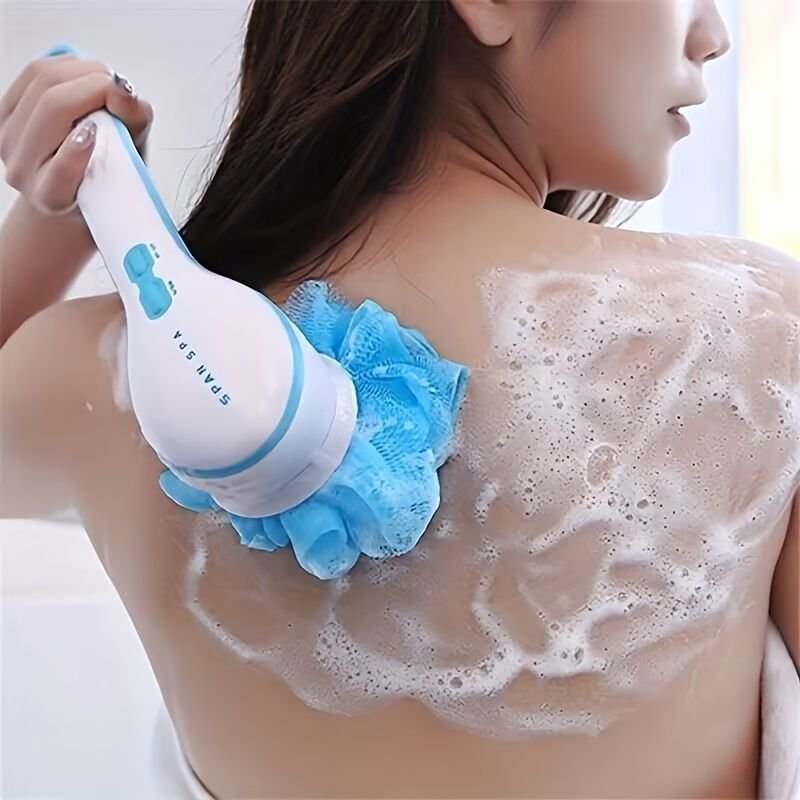
A practical back scrubber buying guide starts with one everyday challenge: reaching the middle of your back comfortably in the shower. The right tool can make cleansing easier to manage, but the best option depends on your reach, skin comfort, preferred level of exfoliation and willingness to maintain the brush. Rather than choosing on appearance alone, consider the handle, bristle material, head design and care instructions before adding a back-care tool to your bathroom routine.
Nola Shop’s Health & Beauty store includes personal-care options for different routines. If you are comparing shower accessories specifically, browse the Back Care collection to see the available styles and decide which features matter most to you.
Start with the reach you actually need
A back scrubber should reduce awkward twisting, not create more of it. Think about the areas you find hardest to reach: between the shoulder blades, the lower back or both. A longer handle may help you reach those areas while keeping your wrist in a more neutral position. However, a handle that is excessively long for your height or shower space can feel cumbersome.
Before buying, consider these practical points:
- Handle length: Choose a length that lets you reach across and down your back without straining your shoulder.
- Grip: Look for a handle shape that feels secure when wet. A comfortable grip can matter more than a decorative finish.
- Head angle: An angled or shaped head may sit against the contours of your back more naturally than a completely flat design.
- Storage: Check whether you have a dry, ventilated place to hang or stand the tool between uses.
If mobility, persistent pain or a skin condition affects your bathing routine, choose a gentle approach and consider seeking advice from a qualified health professional about what is appropriate for you.
Choose bristles for skin comfort, not maximum intensity
Bristles are not one-size-fits-all. Firmer fibres can create a more robust scrubbing sensation, while soft bristles are often a better starting point for people who prefer gentler contact. Skin can respond differently according to season, shaving, existing dryness and the cleanser used, so it is sensible to begin lightly and adjust your routine based on comfort.
Soft bristles
Soft bristles suit shoppers looking for a mild cleansing tool or a less abrasive daily option. They can be particularly appealing when you want to spread body wash across hard-to-reach areas without a harsh feel. “Soft” is not a universal standard, however, so review product wording and images carefully rather than assuming all soft-bristle brushes feel identical.
Firmer bristles and textured surfaces
A firmer brush or textured surface may appeal if you enjoy a more noticeable exfoliating feel. Use moderate pressure, especially on areas that are already dry, irritated or freshly shaved. More pressure is not automatically more effective; uncomfortable friction can leave skin feeling worse rather than refreshed.
Match the tool to your routine
For a simple daily wash, a soft body scrubber may be sufficient. If you use exfoliating body products, take care not to combine several intense methods in one session. Let your skin’s comfort guide the frequency and pressure you use.
Manual versus electric back scrubbers
The key difference is how the brush head moves. A manual model relies entirely on your hand motion. An electric bath brush is designed to provide powered movement, which may suit shoppers who want a different shower experience or prefer not to make repeated brushing motions. Neither format is automatically right for every household.
When a manual option may suit you
- You want a straightforward tool with no charging or power considerations.
- You prefer complete control over speed and pressure.
- You have limited storage and want the simplest possible setup.
What to assess in an electric option
For an electric brush, read the listing closely before purchase. Check the product page for current inclusions, care guidance, power or charging information and any usage directions. It is also wise to confirm that the design suits use in your particular bathroom environment rather than making assumptions based on photos alone.
One example in the collection is the Electric Bath Brush Soft Bristle Body Scrubber Long Handle Back Scrubber Dorm – White – Size 01. Its product description presents it as an electric, soft-bristle, long-handle option for back care. It may be worth considering if those attributes align with your routine, but compare the full listing details with other options before deciding.
Look beyond the brush head
A useful body scrubber for back care should feel manageable from start to finish. That includes picking it up with wet hands, moving it across your back, rinsing it and storing it afterwards. Small design details can influence whether a tool becomes part of your regular routine.
Weight and balance
A tool that feels top-heavy can make long handles harder to control. Product pages do not always communicate in-hand balance, so use the listed dimensions and design images as part of your assessment. If you have hand or shoulder discomfort, favour an option that appears uncomplicated to hold and manoeuvre.
Shower-space fit
Consider your shower enclosure, bath layout and nearby fixtures. You need enough room to move the handle without bumping tiles, screens or shelving. A compact bathroom does not rule out a long-handle brush, but it makes ease of movement more important.
Attachments and complexity
Some personal-care devices may have interchangeable components, while others use one fixed brush head. Extra pieces can provide flexibility, but they also require storage and cleaning. Choose the level of complexity you are realistically happy to maintain.
Cleaning and storage are part of the purchase decision
Because a shower brush is used around water, body wash and skin oils, routine care matters. A brush that is difficult to rinse or has nowhere to dry can become inconvenient. Follow the maker’s instructions for the exact product, particularly for powered tools and any removable parts.
As a general routine, rinse away cleanser after use, shake off excess water and allow the item to dry in a well-ventilated position. Avoid leaving it sitting in pooled water. Do not share personal cleansing tools where hygiene is a concern. If bristles become damaged, retain odour after cleaning or the product no longer works as intended, review the relevant product guidance before continuing to use it.
How to compare back scrubbers on a product page
When browsing the Back Care range, use a consistent checklist instead of focusing on a single headline feature. This makes it easier to compare a long-handle back scrubber with a compact brush or an electric bath brush fairly.
- Identify your main goal. Is it easier reach, gentle cleansing, a massage-like feel or a powered brush experience?
- Check the contact material. Review whether the listing describes soft bristles, firmer bristles or another surface type.
- Assess handle design. Look at reach, grip shape and the likely fit in your shower.
- Read care instructions. This is especially important for devices with electrical components.
- Confirm the current listing details. Review availability, price, delivery information and all included items before checkout.
It can help to write down your two or three non-negotiables, such as soft bristles, a long handle and uncomplicated storage. This keeps the choice focused on daily usability rather than features you may never use.
Use a back scrubber gently and consistently
Start with lukewarm water and a small amount of your usual body cleanser if appropriate. Hold the handle securely, use light pressure and make slow, controlled passes rather than vigorous scrubbing. Pay attention to how your skin feels during and after use. Stop if you experience discomfort or irritation, and avoid brushing over broken, inflamed or sunburnt skin.
A back scrubber is a personal-care accessory, not a treatment for acne, skin concerns or pain. If you have ongoing skin symptoms or are unsure whether exfoliation suits your circumstances, a GP, dermatologist or other qualified clinician can provide individual guidance.
Frequently asked questions
What should I look for in a back scrubber?
Prioritise comfortable reach, a secure wet-hand grip, bristles that suit your skin preferences and a design you can clean and dry easily. For electric models, also check the product-specific power, care and usage information.
Are soft-bristle back scrubbers suitable for everyday use?
Soft bristles may be a comfortable choice for regular cleansing, but frequency should be guided by your skin’s response and the product instructions. Use light pressure and reduce use if your skin feels dry or irritated.
Is an electric bath brush better than a manual brush?
Not necessarily. An electric brush may appeal if you want powered movement, while a manual brush offers direct control and fewer operational considerations. The better choice is the one that fits your comfort, bathroom setup and maintenance preferences.
How do I keep a body scrubber hygienic?
Rinse it thoroughly after use, remove excess water and let it dry in a ventilated area. Follow the manufacturer’s cleaning directions and avoid storing it in standing water.
Can I use a back scrubber on irritated skin?
It is generally sensible to avoid friction on irritated, broken, inflamed or sunburnt skin. If you have a skin condition or persistent irritation, seek personalised advice from an appropriately qualified health professional.
A considered choice for easier back care
The most suitable back scrubber is one you can reach with, hold comfortably, clean reliably and use without overdoing pressure. Whether you prefer a simple manual tool or want to explore an electric soft-bristle option, comparing the practical details will help you make a more confident choice. Explore Nola Shop’s Back Care collection and review each listing carefully to find a style that fits your shower routine.


