
Ceiling fans can be a useful addition to bedrooms, living areas, covered outdoor spaces and other rooms where you want steady air movement without giving up floor space. The right choice depends on more than appearance: room dimensions, mounting height, intended location, control preferences and any integrated light all deserve attention. This guide helps you narrow down the options with practical questions to ask before you buy.
Start your search at Nola Appliances, then browse the Ceiling Fans collection to compare available styles and product details. Rather than selecting on looks alone, use the steps below to build a shortlist that suits your room and installation plan.
Begin with the room, not the fan
A ceiling fan should fit the scale and layout of its intended room. A fan that is too small may not provide the coverage you expect, while an oversized model can look out of proportion or be difficult to position safely around walls, cupboards or doors.
Measure the usable area
Measure the room’s length and width, then note obstacles beneath or close to the proposed installation point. These may include bunk beds, tall wardrobes, rangehoods, pendant lights and opening doors. Also consider whether the room is square, narrow, open-plan or divided into zones; a long room may call for a different approach than a compact bedroom.
When comparing blade span, treat it as one part of the decision rather than a universal rule. Product pages should be your source for the model’s dimensions and mounting requirements. If you are unsure how a particular fan will sit within a room, mark its approximate span on the ceiling or floor with painter’s tape before ordering.
Check ceiling height and clearance
Ceiling height affects both the visual fit and the installation approach. A low ceiling may favour a closer-fitting design, while a higher ceiling can require a suitable extension arrangement for the particular model. Keep in mind that blade clearance, support requirements and electrical work need professional consideration.
For Australian homes, ceiling fan installation and alterations to fixed wiring should be handled by a suitably licensed electrician. Ask them to assess the mounting point, ceiling structure and practical clearances before committing to a model, especially in older homes or renovations.
Choose a ceiling fan style that suits its location
The visual finish matters, but the location determines several more important checks. Indoor bedrooms, living rooms, kitchens and covered alfresco areas can have very different conditions.
Bedrooms and study spaces
In sleeping and work areas, many shoppers prioritise a fan with control options that are convenient from the bed or desk. Consider where the controller will be kept, whether wall-switch access is important and how the fan’s finish works with the room’s furniture and lighting.
If the room has an existing central light fitting, decide whether you want a fan with its own light provision or prefer to retain separate lighting. This choice can influence the electrical layout and the number of functions you need to control.
Living rooms and open-plan zones
For larger shared areas, map out the seating, dining and kitchen zones first. One centrally positioned fan may be appropriate in some rooms, whereas a broader plan may be needed in others. Avoid assuming a single product will cover every area equally; room shape, ceiling beams and furniture placement can change the result.
Covered outdoor areas
Outdoor or semi-outdoor locations need extra care. Exposure to rain, coastal air, humidity and wind can affect which products are appropriate. Read the listing’s suitability information closely and do not rely on an indoor fan for an exposed area simply because it sits under a roof.
Also look at the fan’s stated rating and installation guidance, then discuss the site with your electrician. A covered patio can still receive wind-driven moisture or condensation, so the exact position matters.
Decide how you want to control the fan
Controls shape day-to-day convenience. Before choosing between wall control, remote operation, app-connected functions or other systems, think about who will use the fan and how the room is wired now.
- Wall controls can suit households that prefer a familiar, fixed control point.
- Remote controls may be convenient for bedrooms and lounge rooms, but consider where the remote will live and who needs access to it.
- Smart or connected controls can offer another way to manage compatible products, although compatibility should always be checked product by product.
- Light controls need separate attention when the fan includes, or is installed alongside, lighting.
Do not assume accessories, receivers, dimmers or smart controllers will work interchangeably. The fan manufacturer’s instructions, the light fitting specifications and advice from a licensed electrician are more reliable than matching connectors or a similar-looking control.
Fan lighting: make compatibility a priority
A ceiling fan with light can simplify a room’s ceiling layout, but it introduces another set of choices. Think about whether you need general room lighting, softer ambient light or separate task lighting elsewhere in the space. The desired switching arrangement is equally important: you may want to control the fan and light independently.
Check the product listing for the included lighting components, supported control methods and any stated limitations. If you want dimming, confirm that the fan’s light system, globe or LED module, controller and wall switch are designed to work together. Dimming compatibility is not something to assume.
An example product listing to assess carefully
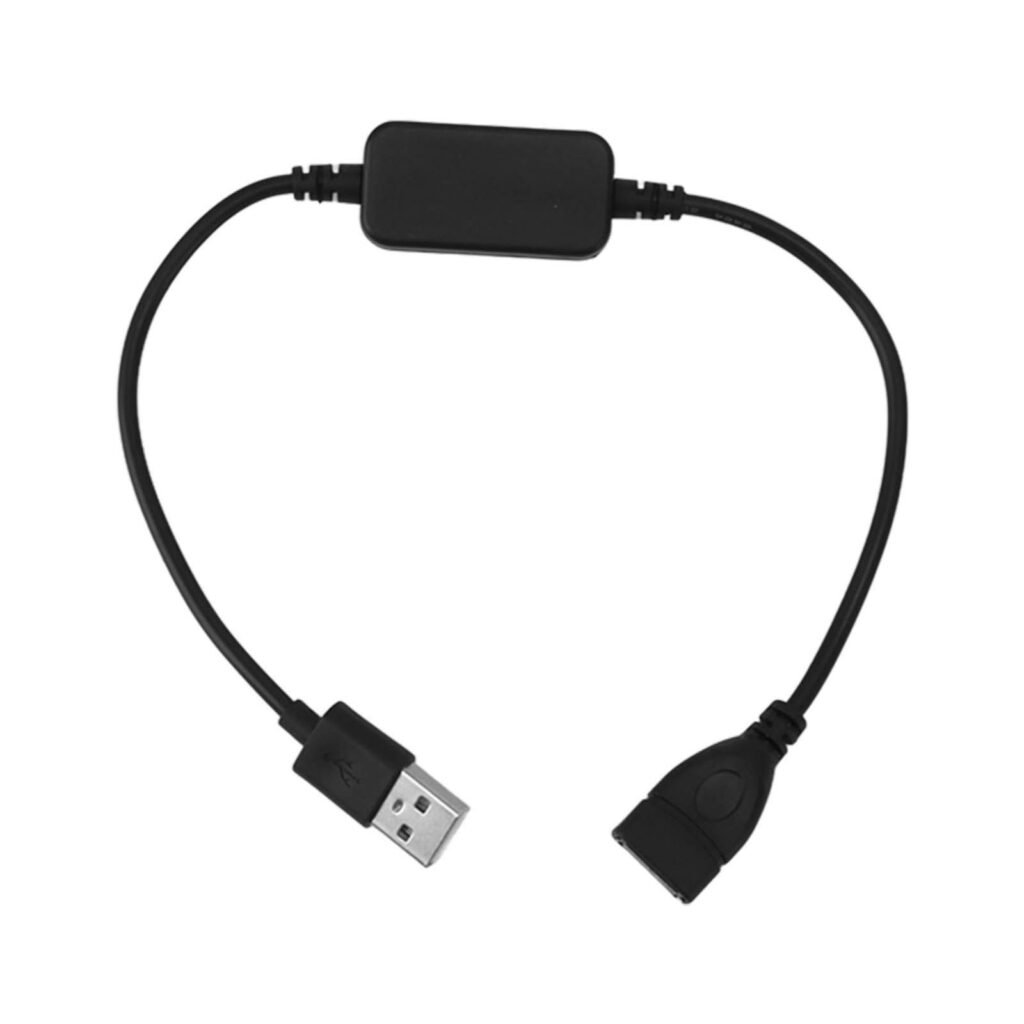
The Ceiling Fans collection also includes the Bluetooth USB Dimmer IP44 Smart Single Color Lights Strip Controller Dimmer Wireless 433HZ Controller Dimmer Black. Its listing describes a compact controller for single-colour strip lighting, with Bluetooth control and brightness adjustment.
This is a useful example of why checking the product’s intended application matters. A strip-light controller is not automatically a ceiling fan controller, and it should not be treated as a replacement for the fan’s specified controls or as proof that a fan light can be dimmed. If you are considering it for an associated lighting project, review the full listing and confirm electrical and system compatibility with a licensed electrician before purchase or installation.
Build a shortlist with these practical checks
Once you have identified a few suitable-looking ceiling fans, compare the details in a consistent order. This helps prevent a finish colour or promotional image from outweighing a more important installation consideration.
- Confirm the location. Is the product intended for your indoor, covered or outdoor setting?
- Compare dimensions. Check blade span, overall drop and any clearances against your measured room.
- Review mounting needs. Have an electrician assess the proposed ceiling point and support requirements.
- Choose controls deliberately. Check what is included and whether it suits your existing wiring and household routine.
- Verify lighting details. If lighting is involved, check its type, control arrangement and stated dimming compatibility.
- Read the listing before checkout. Review current availability, delivery information, inclusions and product-specific details.
The Nola Appliances Ceiling Fans range is a practical place to compare products while keeping these checks in view. Save the product pages that suit your space, then review them alongside your measurements and electrician’s advice.
Common ceiling fan buying errors
Choosing solely by blade count or finish
Blade count and colour can help you achieve a preferred look, but they do not replace checking the listed size, location suitability, controls and installation requirements. Start with function and fit, then narrow your visual preferences.
Forgetting the light switch arrangement
A fan-and-light combination may need a different control plan from a fan-only unit. Decide early how you want the light and fan to operate, particularly if the room has existing switches that you plan to retain.
Assuming all smart devices connect together
Connected products can use different systems, requirements and intended purposes. Read the listing rather than assuming Bluetooth, wireless or USB references mean a device will integrate with a particular fan or light fitting.
Leaving installation questions until after delivery
Checking your ceiling point and discussing the plan with a licensed electrician before ordering can help identify practical issues early. This is especially worthwhile for high ceilings, outdoor areas, replacement projects and fan-and-light installations.
FAQs about ceiling fans
What size ceiling fan do I need?
Measure the room and compare it with the product’s stated blade span and dimensions. Also account for the room shape, furniture layout, ceiling height and clearance from walls or fittings. If you are uncertain, seek installation advice before choosing.
Can a ceiling fan be installed where a light fitting already exists?
It may be possible, but an existing light point is not automatically suitable for a fan. A licensed electrician should assess the wiring, mounting support and the selected fan’s installation requirements.
Are ceiling fans suitable for covered outdoor areas?
Some products may be intended for particular covered or outdoor conditions, while others are indoor-only. Check the product page for its stated suitability and have the actual site assessed, particularly where moisture or weather exposure is possible.
Can I use a dimmer with a ceiling fan light?
Only use a dimmer when the fan light, its lamp or LED component and the control system are stated to be compatible. A lighting dimmer or strip-light controller should not be assumed to work with a ceiling fan light.
Should I buy the fan before speaking to an electrician?
You can research styles and compare listings first, but speaking with a licensed electrician before purchase is sensible when there are questions about mounting, wiring, ceiling height, outdoor placement or control setup. It helps you select a product that is practical for the space.
Choosing ceiling fans is easier when you treat the purchase as a room-planning decision rather than a purely decorative one. Measure carefully, check each listing’s intended use and involve a licensed electrician for installation guidance. You can explore current options through Nola Appliances and refine your shortlist from there.


