A practical toy boxes comparison guide starts with the way your child actually plays, not simply the amount of floor space available. The right option can make pack-away time more straightforward while giving books, blocks, soft toys and craft supplies a regular home. At Nola Baby & Kids, it is worth comparing the format, material and access style before choosing an item for a bedroom, playroom or shared family area.
There is no universal “best” toy box. A roomy lidded chest may suit a collection of bulky toys, while open bins can work better for younger children who need to see and reach what they are looking for. Use this guide to narrow down what fits your household, then explore the Toy Boxes collection to compare the available options.
Start with the storage problem you want to solve
Before comparing finishes or colours, identify what needs a home. Toy storage works best when it reflects the items being put away and the person expected to use it. A box that is too deep for small everyday toys can quickly become a jumble, while several small containers may be impractical for oversized toys.
- Soft toys and dress-ups: usually need generous volume rather than lots of compartments.
- Building toys and figurines: are easier to manage when grouped into smaller, clearly defined sections.
- Arts and crafts: benefit from shallow access so supplies can be found without emptying everything.
- Books and puzzles: generally need a different solution from a deep toy chest to remain visible and protected.
- Shared toys: may need a central unit that several children can access without crowding a bedroom.
Also decide whether the unit is intended for quick daily resets or longer-term storage. A frequently used toy box should be easy to open, easy to reach and simple enough for children to understand. Items stored only occasionally can sit higher up or in a less accessible area.
Compare the main toy box styles
Open-top toy boxes and baskets
Open storage gives children immediate visual access to toys. This can encourage independent play and make it easier to return familiar items after use. It is especially useful for soft toys, larger play pieces and collections that are used every day.
The trade-off is that open boxes do not conceal visual clutter. If the toy box will sit in a living room, consider whether the contents will be visible from the sofa or entryway. A basket-like design may provide a softer look, but check whether its sides will hold their shape with the toys you plan to store.
Lidded toy chests
A lidded chest can create a tidier appearance because toys are out of sight when playtime ends. It may suit a room where the storage also acts as a furnishing, such as at the end of a bed or against a wall in a playroom.
However, the lid deserves careful attention. Review the product listing for how it opens, whether it stays open, the location of any gaps or hinges, and the manufacturer’s age guidance. Position the chest on a stable, level surface and make sure it does not obstruct walkways, doors or drawers. A lid is not automatically the right choice for every child or every household.
Cubby-style and compartment storage
Compartmented furniture supports sorting. It can help separate cars from dolls, puzzles from craft materials, or each child’s belongings in a shared space. Bins within a cubby system can be removed for play and returned afterwards, which can make tidying more predictable.
This approach takes more planning than one large box. Measure both the full unit and the clearance needed to pull out bins. It is also wise to decide on simple categories rather than creating a complex system that is difficult to maintain.
Bench-style toy boxes
Some toy boxes are designed to offer a surface that may be used as seating as well as storage. These can be useful where room footprints are limited, but suitability depends on the specific product’s construction and instructions. Do not assume that every box, lid or chest is intended to bear a person’s weight; always rely on the relevant listing and manufacturer guidance.
Material comparison: appearance, upkeep and everyday use
Material affects how a toy box looks in the room, how it feels to use and how much maintenance it may need. Rather than choosing on appearance alone, consider the room’s traffic, the child’s age and how often the storage will be moved.
Wood and wood-look options
Wooden toy boxes can suit a classic or coordinated furniture scheme and may look at home in bedrooms, nurseries and living areas. They are often chosen when the toy box needs to look like a permanent part of the room. Check the overall dimensions, edge detailing, assembly requirements and care guidance supplied for each item.
A solid-looking unit can be substantial, so think about where it will remain once assembled. If you expect to move it regularly between rooms, a lighter format may be more convenient.
Fabric and soft-sided storage
Fabric baskets and soft-sided containers can be a flexible choice for lightweight toys, dress-ups and plush items. Their softer form can suit compact spaces or rooms where you prefer a less formal look. They may also be easier to reposition than a rigid chest.
Look closely at the shape, handles, internal support and cleaning instructions. Soft storage may not be ideal for very heavy collections, sharp-edged items or anything that needs firm protection.
Plastic and wipe-clean containers
Rigid plastic tubs and bins can make sense for messy play supplies, outdoor toys or categories that need to be moved often. Transparent versions can help children identify contents without opening every container, while opaque bins offer a more uniform appearance.
Consider how lids stack, whether the bin size suits the shelf or cupboard where it will live, and whether the handle design is manageable. Smaller bins are often easier to carry and sort than one heavily loaded container.
Choose a size that works in the room
“Large” does not tell you enough about whether a toy box will fit. Measure the proposed location in width, depth and height, then leave room for doors, wardrobes, drawers and everyday movement. If the box has a lid, allow for the space it needs when fully open.
A useful planning method is to mark the footprint on the floor with painter’s tape or place flattened cardboard in the intended area. This reveals whether the unit will interrupt a pathway or make a small room feel crowded. In a shared living space, make sure there is still comfortable access to seating and essential furniture.
Match capacity to the child’s routine
A very large toy box can appear efficient, but it may invite everything to be tossed in together. For many families, one larger container for bulky toys plus a few smaller categories for frequently used items is easier to live with. Keep the most commonly played-with toys at a child-friendly height, and rotate less-used toys rather than trying to display everything at once.
If multiple children share storage, labels can reduce disagreement and make pack-away tasks clearer. Pictures are useful for pre-readers; simple words work well for older children. The goal is not perfect organisation—it is a system that can be repeated on a busy day.
Access and placement matter as much as capacity
A toy box should support the way the room is used. Put open storage near the play zone, place craft supplies close to a table, and avoid blocking exits or creating clutter around beds. For younger children, consider what they can realistically open, carry and put away with appropriate adult guidance.
For tall shelving or furniture that could become unstable if climbed, follow the product’s installation instructions and any anchoring advice. Regularly check for loose hardware, damage and overfilled containers. These small habits are part of making storage practical over time.
How to compare listings in the Toy Boxes collection
With 94 products in the collection, a consistent comparison process can save time. Open the individual listings and check the details most relevant to your home rather than relying on product photos alone.
- Confirm the product type. Is it a storage chest, basket, shelf, bin, accessory or toy-related item?
- Check dimensions and format. Compare these with your measured space and the types of toys involved.
- Read materials and care information. Choose something appropriate for the expected level of use.
- Review access features. Consider lids, handles, compartments, removable bins and assembly needs where listed.
- Check the current product page before ordering. Availability, delivery information and all final product details should be confirmed at the time of purchase.
A note on product categories and unexpected listings
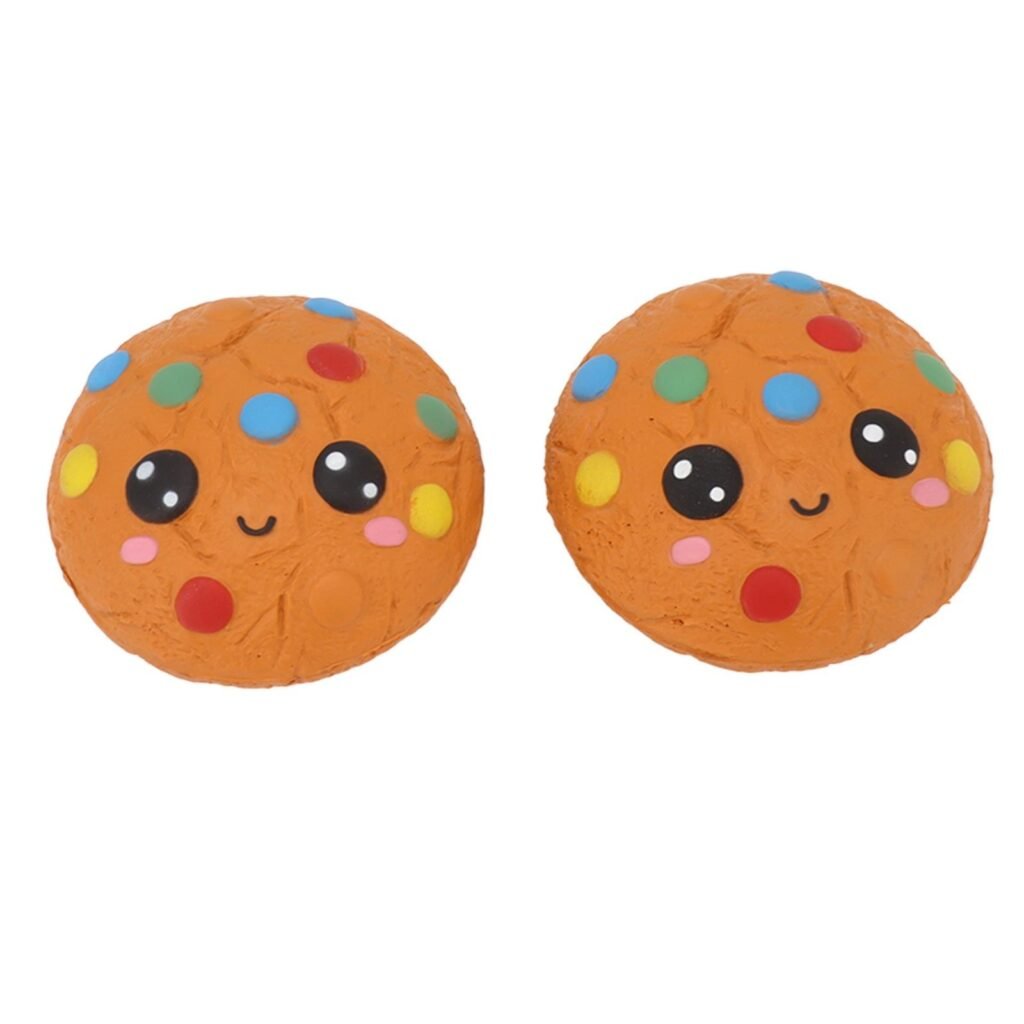
Category pages can occasionally include products that are toy-related but are not storage furniture. For example, the listing for the 2 Pcs Bread Decompression Toy appears in the Toy Boxes collection. Based on its title and product text, it is presented as a slow-rebound decompression toy rather than a toy box.
That makes it a helpful reminder to read each listing closely: category placement alone does not define an item’s purpose, materials, age suitability or use instructions. If this example is of interest, review its complete listing, including the stated PU material, current availability and delivery details, before ordering. For any toy, follow the supplied directions and use adult supervision where appropriate.
A simple decision guide
- Choose open storage when visibility and easy access matter most.
- Consider a lidded chest when you want toys concealed, after carefully reviewing lid design and product guidance.
- Use compartments or bins for collections that are easier to manage when sorted.
- Look at softer containers for plush toys and flexible, lightweight storage needs.
- Select a furniture-style piece when the toy box will be a visible part of the room’s overall setup.
The best choice is usually the one that fits the room, suits the toys and can be used consistently by the people in the home. Browse the range at Nola Baby & Kids Toy Boxes, compare individual listings carefully and build a play space that is easier to reset after a busy day.
Frequently asked questions
What size toy box should I buy?
Start by measuring the available floor area and the toys you want to store. Allow clearance for doors, drawers and walkways. A combination of a larger box for bulky toys and smaller containers for sets can be more useful than one oversized chest.
Are lidded toy boxes suitable for young children?
Suitability depends on the specific design, age guidance and how the item will be used. Review the product instructions, opening mechanism and hardware, and supervise children as appropriate. Consider open storage if simple, unobstructed access better suits your household.
How can I make it easier for children to pack away toys?
Keep categories simple, limit the number of toys out at one time and place commonly used items within reach. Picture labels, small bins and a regular tidy-up routine can make the task easier to understand.
Should I choose one large box or several smaller bins?
One large box suits bulky items and fast pack-away, while smaller bins are better for separating pieces such as building sets, figurines or craft materials. Many homes benefit from using both: a main box plus a few labelled containers.
Is every item in a Toy Boxes category a storage box?
Not necessarily. Product categories can include related toys or accessories, so check the product title, description, dimensions and usage information. The Bread Decompression Toy listing, for instance, is described as a toy rather than furniture storage.
What should I check before ordering a toy box online?
Confirm dimensions, materials, assembly requirements, access features, care instructions and the item’s intended use. Review the current listing for availability and delivery details, and ensure the product suits the space and the children who will use it.