
Nursing and feeding ideas are often most useful when they make everyday care feel simpler rather than more complicated. Whether you are setting up before baby arrives, adapting a small living-room corner or refreshing a well-used nursery chair, a thoughtful space can help keep the items you reach for close at hand. The aim is not a picture-perfect room; it is a comfortable, flexible setup that works for your household and your baby.
For a broad starting point, explore Nola Baby & Kids. Its baby-focused range can help you compare options for daily routines while you decide what genuinely suits your space, care preferences and stage of parenthood.
Begin with the moments you repeat every day
The best baby care setups are built around real routines. Think through where feeds usually happen, where you prepare supplies, where you settle your baby afterwards and what tends to interrupt the flow. A newborn may feed frequently, while an older baby may need a different arrangement as bottles, cups and solids become part of the day.
Instead of buying everything at once, make a short list of the moments you want to support:
- Breastfeeding, bottle feeding or combination feeding
- Expressing and storing feeding-related supplies where appropriate
- Burping, changing and settling after a feed
- Offering water or meals as your child develops
- Cleaning, drying and rotating everyday items
- Keeping care items together when you move between rooms or travel
This approach makes it easier to identify what belongs within arm’s reach and what can live elsewhere. It also leaves room for your routine to change, which is entirely normal.
Create a comfortable nursing corner
A nursing corner can be as simple as a supportive seat beside a small table, or it may be a portable basket you bring to the sofa. Comfort matters because feeds and cuddles can take longer than expected. Choose a place with enough room to sit safely, adjust your position and put a drink down without balancing it on the floor or a cushion.
Keep the essentials nearby, not overcrowded
A small side table, shelf or caddy can reduce mid-feed searching. Stock only the things that are useful for your family, then reassess after a week or two. Common additions include:
- A water bottle for the adult caring for baby
- Clean burp cloths or muslins
- Wipes and a small bin placed safely out of reach
- A phone charger or reading light
- A notebook or app for notes, if tracking feeds is helpful for you
- A spare top or nursing pads, where relevant
Use closed containers or higher storage for small pieces, and avoid leaving cords, hot drinks, medicines or loose items where a baby can reach them. A dimmable lamp can be a practical addition for overnight feeds, helping you see what you are doing without turning the whole room into daytime.
Make it adaptable for every caregiver
Feeding is often shared across parents, relatives and carers. Labeling baskets, keeping instructions simple and storing regularly used items in the same place can make handovers easier. If several people use the space, avoid organising it around only one person’s preferences. A straightforward setup is usually the one everyone can maintain.
Set up a simple feeding-prep zone
Your prep zone does not need to be large. It simply needs to be clean, easy to access and suited to the way you feed your baby. Many families reserve a section of bench space or a cupboard shelf for feeding items, then create a clear routine for washing, drying and putting things away.
Consider separating the area into three practical stages:
- Clean storage: a dedicated place for washed and dried bottles, cups, teats, feeding utensils or containers.
- Preparation: clear bench space for assembling feeds according to the instructions relevant to your chosen method.
- Aftercare: a place to take used items for cleaning, away from clean supplies.
Follow the manufacturer’s cleaning and care directions for each item, as well as current advice from qualified health professionals for preparing feeds. If you are unsure about sterilising, formula preparation, allergies, introducing solids or your baby’s intake, seek guidance from your GP, child health nurse, pharmacist or another suitable health professional.
Use zones to make small spaces work harder
Small homes can still support calm routines. Rather than trying to fit a full nursery setup into every room, give each location one clear role. The lounge may be your comfortable feeding spot, the kitchen your cleaning and preparation area, and a compact tote your mobile kit for the bedroom or visits.
The portable basket approach
A portable basket can be a particularly useful idea for families who do not always feed in the same place. Choose one that is easy to carry and keep it focused on lightweight, frequently used items. Restock it at a regular time rather than waiting until it is empty during a late-night feed.
Before moving it, check that it does not contain anything unsafe for baby to access. Keep products in their original packaging where instructions or safety information are important, and store medicines separately and securely.
A calm corner for changing routines
Baby routines develop quickly. One month you may be focused on frequent milk feeds; later, you may need bibs, spoons and a wipeable feeding area. Flexible storage such as baskets, labelled tubs and adjustable shelves can be repurposed as needs change. This is more practical than buying furniture for a single short phase.
You can browse the Nursing & Feeding collection at Nola Baby & Kids for ideas across this part of daily care. Compare product descriptions carefully to make sure an item is appropriate for your child’s age, intended use and existing equipment.
Plan for care items with a specific purpose
Some products listed alongside nursing and feeding supplies relate to baby comfort or care rather than a standard feed itself. These deserve a little extra thought, especially where health-related use is involved. Keep any such item clearly separate from everyday feeding gear so it is not misplaced or used for a purpose other than intended.
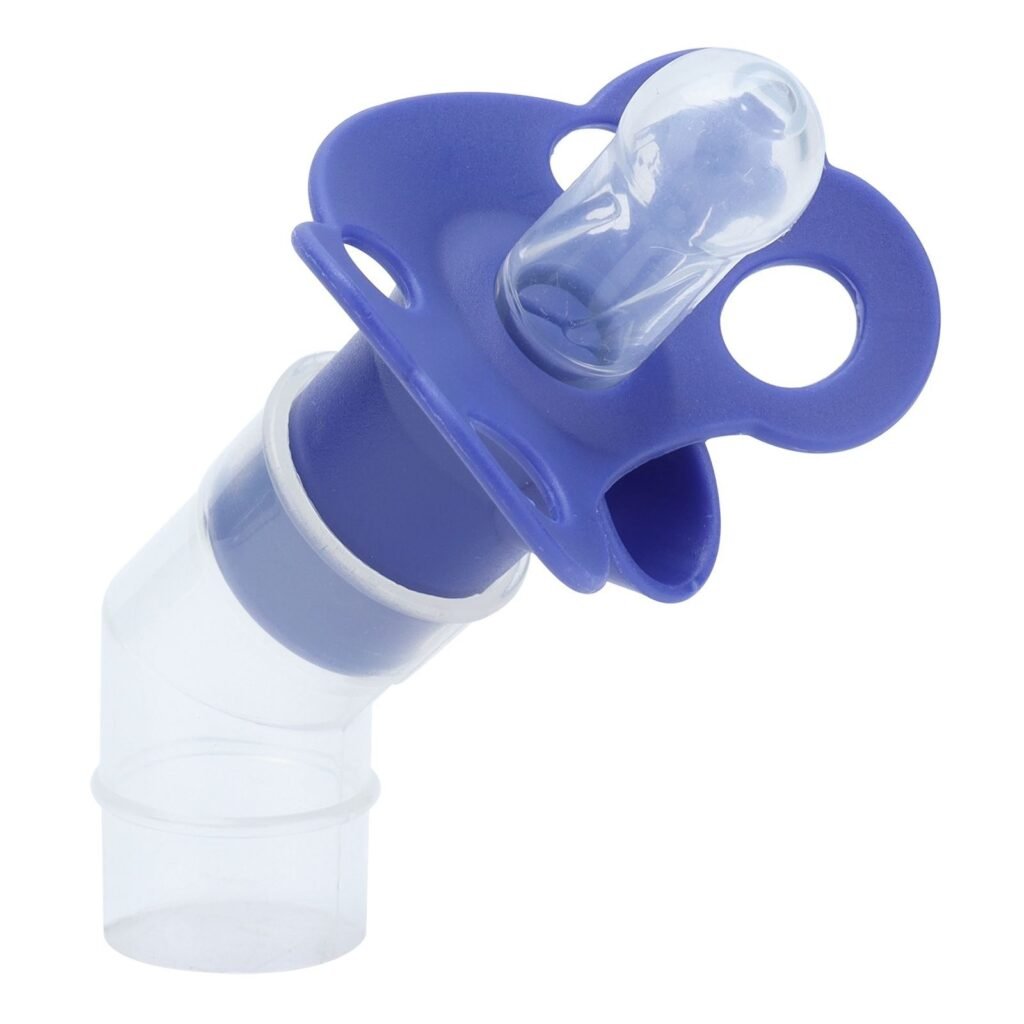
For example, the Baby Atomization Pacifier Portable Nebulize Cup Adapter Silicone Nebulizer Pacifier is an example of a specialised item in the collection. Its pacifier-style design may be relevant to families comparing accessories intended for nebuliser use. Read the full listing, including compatibility, assembly and cleaning information, before considering whether it is suitable.
Because nebuliser use involves a child’s health, do not treat an accessory as a substitute for clinical advice. Ask your doctor, pharmacist or other qualified health professional whether nebulisation is appropriate for your child, what equipment and medication should be used, and how to use and clean it safely. Always follow the directions supplied with the relevant device and medication. Review current availability and delivery details on the product page before placing an order.
Bring more ease to feeds without chasing perfection
It is tempting to believe that one more organiser or gadget will solve every difficult feed. In reality, a calm setup is usually about a few reliable habits: keeping supplies clean, returning items to the same place, maintaining a clear surface and making the adult caregiver comfortable too.
Try a quick weekly reset. Check what has run low, remove items your baby has outgrown, wash the portable kit and make a note of what would genuinely improve the routine. This prevents clutter from building up and helps your space stay useful as your baby changes.
Frequently asked questions
What should I include in a baby feeding station?
Start with the items you use repeatedly: clean feeding supplies, burp cloths, wipes, a safe place for the adult’s drink and a small storage solution. Tailor it to breastfeeding, bottle feeding, expressing or combination feeding rather than copying someone else’s list.
Do I need a separate nursing chair?
Not necessarily. A stable, comfortable chair or a well-supported spot on the sofa may work well. Prioritise safe seating, easy access to supplies and a position that feels comfortable during longer feeds.
How can I organise nursing and feeding supplies in a small home?
Use a dedicated cupboard section for clean supplies and a compact portable basket for items needed away from the kitchen. Give each item a consistent home, and regularly remove items that are no longer part of your current routine.
Can a nebuliser accessory be used for any baby?
No. Health-related equipment should be used only as directed by an appropriately qualified health professional and according to the manufacturer’s instructions. Confirm compatibility with your equipment and ask for individual advice before using a nebuliser accessory with a baby.
How often should baby feeding items be cleaned?
Cleaning needs depend on the item and how it is used. Follow the manufacturer’s instructions and current health advice for feeding equipment. Keep clean and used items separate, and inspect products regularly for wear or damage.