
Kids’ beds and bed frames are often the starting point for a room that supports sleep, play and growing independence. Yet a successful children’s room is about more than selecting a bed: it is about creating a comfortable layout, leaving room for everyday life and choosing details that make bedtime feel reassuring. Whether you are refreshing a toddler’s first room, updating a school-age child’s space or planning for a family trip, a few thoughtful ideas can make the setup feel far more useful.
For family-focused furniture and sleep-related finds, explore Nola Baby & Kids. Its Kid’s Beds & Bed Frames collection is a helpful place to begin when you are considering what kind of sleep solution suits your household.
1. Start with the way the room is really used
Before deciding where a bed should go, look at the whole routine. Does your child get dressed in the room? Do you read together there? Is it also a play space, a homework spot or a shared room? The answers will shape a layout that works beyond bedtime.
A useful first step is to sketch the room roughly and mark:
- the door swing and wardrobe access;
- windows, heaters and power points;
- a clear path from the bed to the door;
- space for drawers, toy baskets or a laundry hamper; and
- where an adult can sit for stories or settling time.
Try not to fill every open section of floor. Children benefit from having some uncluttered space to move, play and help tidy up. In a compact room, a simpler arrangement can be more calming than adding another piece of furniture.
2. Make the bed zone feel settled
The bed is the visual anchor of most children’s rooms. Positioning it against a solid wall can create a contained feeling, while keeping it away from busy storage zones may reduce distractions at night. If possible, make sure the route to the bed is easy to navigate in low light.
Build a quiet bedtime corner
Rather than decorating every wall, concentrate on the area around the bed. A small reading light, a reachable book basket and one familiar soft furnishing can make the space feel intentional without becoming visually busy. Choose colours and artwork your child enjoys, but balance lively themes with quieter areas so the room can still wind down at night.
For younger children, keep any items they may need overnight within easy reach where appropriate. For older children, a bedside surface or simple caddy can encourage responsibility for books, glasses or a water bottle. The goal is not a picture-perfect room; it is a setup that is easy to use independently.
3. Choose flexible storage around kids’ beds and bed frames
Storage has a major effect on how restful a bedroom feels. When toys, clothes and books have clear homes, the bed area is less likely to become a catch-all surface. That does not require matching furniture or a major makeover.
Try these low-fuss storage ideas:
- Open baskets: useful for soft toys, dress-ups and larger toys that are used often.
- A small book display: rotate a few bedtime favourites rather than crowding every title into the room.
- Labels with pictures: especially helpful for pre-readers learning where things belong.
- Under-bed organisation: consider only where it is easy to access and does not make the room harder to clean.
- A nightly reset basket: collect stray items before bed, then sort them properly the next day.
Keep heavier items low and make sure furniture is used according to its instructions. If you are introducing taller storage, take sensible precautions to keep it stable and suitable for the room.
4. Let personality guide the details, not the entire layout
Children’s interests can change quickly. A room can celebrate a current favourite—animals, space, sport, fairies or transport—without committing every large item to one theme. Use changeable touches such as prints, removable decorations, bedding, cushions or a noticeboard for the more playful elements.
This approach gives your child a sense of ownership while making future updates easier. It also means a practical bed and room layout can continue to work as their tastes change. Invite them to choose between two or three options you are comfortable with, such as a colour palette or artwork. Small choices can make a room feel distinctly theirs.
5. Create a shared-room plan with clear personal zones
In a shared room, each child needs a small area that feels like their own. Start by giving each sleeper an individual bedtime light arrangement, a basket or drawer for personal items, and a place for favourite books. Even when the furniture is coordinated, separate colours or name labels can help define each zone.
Be realistic about traffic flow. Leave enough room for children to get in and out of bed without climbing over belongings, and keep frequently used clothes accessible. A consistent pre-bed tidy can become especially valuable in a shared space: five minutes of returning books and toys often makes the room feel calmer for everyone.
6. Use lighting to support different parts of the day
One bright overhead light is rarely ideal for every activity. Layered lighting helps a child’s room work for reading, getting dressed, playing and settling down. During the day, make the most of natural light for play or homework. In the evening, a gentler bedside option can make stories and the transition to sleep feel less abrupt.
Place lamps and cords carefully, and select lighting that is appropriate for the child’s age and the room’s setup. If a child is uneasy in the dark, a modest night light may provide reassurance without making the whole room bright. Test the light from bed level: what looks soft from the doorway can feel surprisingly strong when a child is trying to rest.
7. Take familiar sleep cues on family trips
A well-planned sleep space is not only useful at home. Travel can interrupt routines, particularly for toddlers, so familiar cues can help a new environment feel less unfamiliar. A favourite book, pyjamas, comfort item and the usual wind-down sequence are small things that may make bedtime feel more consistent.
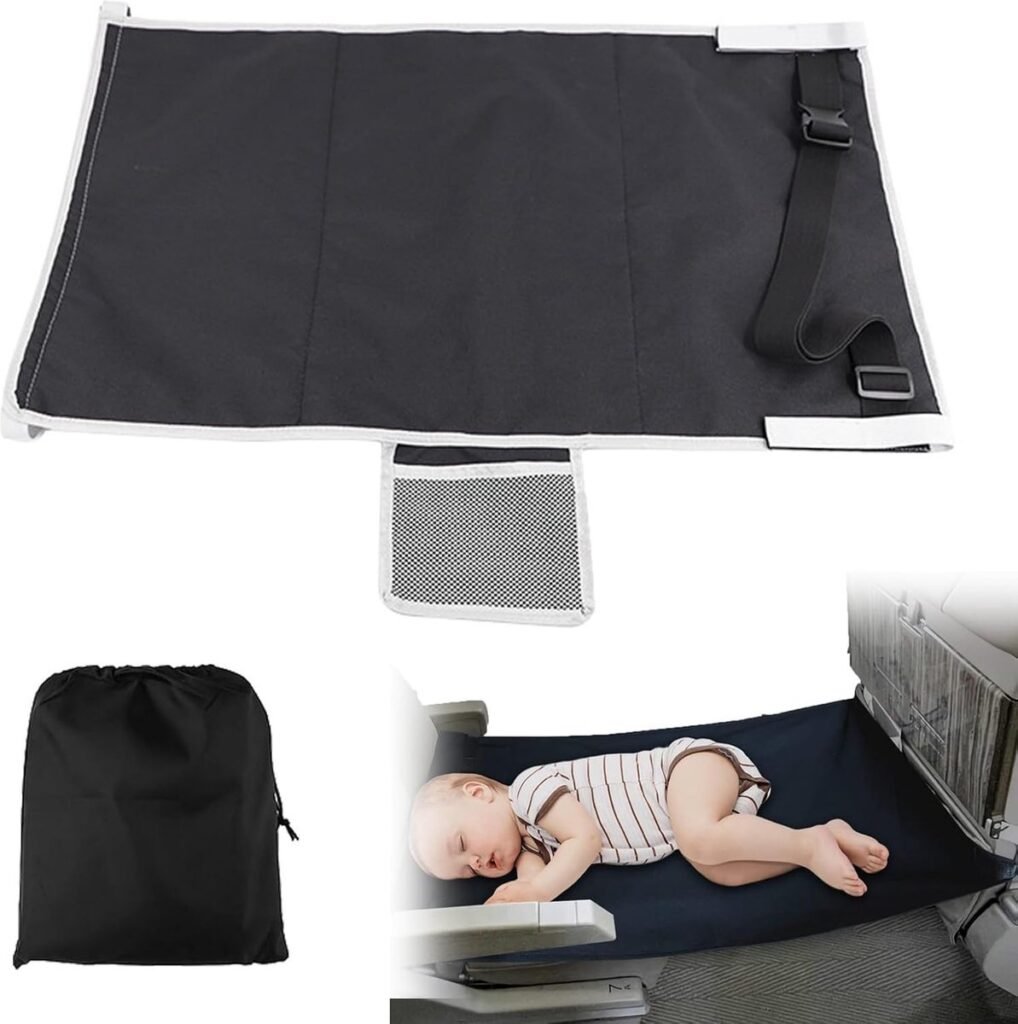
Portable sleep and comfort accessories can also be worth considering where they suit your plans. For example, the Airplane Bed – Baby Bed – Airplane Footrest in Black is presented as a lightweight polyester travel accessory with an adjustable strap and carrying bag. Its product information describes uses as an aeroplane seat comfort aid, footrest or seat cushion.
It is best thought of as a travel-oriented example rather than a replacement for a child’s everyday bed frame. Before travelling, check the airline’s current rules and crew directions, as cabin policies and suitability can vary. It is also sensible to consider your child’s age, size, ability to sit safely and the particular seating arrangement. Following product instructions and airline guidance matters more than trying to recreate a home sleep setup exactly.
8. Refresh the room with routines, not just purchases
Sometimes the most effective bedroom update costs little. A predictable evening rhythm can help signal that the room is moving from playtime to rest. This might be pack away, bath or wash-up, pyjamas, one or two books, then lights out. Keep the sequence manageable enough to repeat on ordinary busy evenings.
Review the space every few months with your child. Are books overflowing? Has a toy basket become a clothes basket? Is there enough room to get dressed? A few small adjustments can keep kids’ beds and bed frames working well as family routines evolve.
Frequently asked questions
How can I make a small child’s bedroom feel less crowded?
Prioritise clear floor space and choose a few storage zones with defined jobs. Keep daily items easy to reach, rotate toys instead of displaying everything, and avoid adding furniture simply to fill a wall. A simple layout is usually easier for children to maintain.
What should be near a child’s bed?
Keep bedtime essentials close by: perhaps a small selection of books, a suitable reading light and a place for a comfort item. Avoid turning the bedside area into general storage, as too many objects can make it harder to settle and more difficult to clean.
How do I give siblings privacy in a shared bedroom?
Give each child a defined bed zone and a separate place for their own belongings. Different bedding, individual book baskets or artwork above each area can provide a sense of identity. Agreeing on quiet-time expectations can be just as important as the physical layout.
Can a travel accessory replace a child’s normal bed?
Not usually. A travel accessory is designed for a particular travel context and should be used only as directed. For home, choose a sleep arrangement that suits the child, room and household routine. For flights, always check the airline’s current requirements before bringing or using an accessory.
How often should I update a kids’ bedroom?
There is no fixed schedule. Review it when routines change, your child outgrows a setup or storage stops working. Refreshing removable details—such as books, artwork and bedding—can keep the room feeling current without needing to replace major furniture.
Thoughtful kids’ beds and bed frames choices provide a useful foundation, but it is the surrounding layout, storage and routine that make a room feel genuinely liveable. Explore the Kid’s Beds & Bed Frames range at Nola Baby & Kids for more inspiration as you shape a sleep space that works for your family.


