
A kids bikes and scooters checklist can make a busy shopping decision much simpler. The aim is not to buy the biggest bike or the most feature-packed scooter; it is to find an option that suits your child’s current size, confidence, where they will ride and the support available while they learn. This guide gives parents and carers a clear set of checks to use before adding anything to the cart.
For a broad starting point, explore Nola Baby & Kids. Its Bikes & Scooters collection has 46 products to browse, so it is useful to narrow the options with a plan rather than choosing on appearance alone.
1. Start with the child, not the age label
Age guidance can be a helpful first filter, but it should not be the final decision. Children of the same age can differ considerably in height, leg length, coordination and willingness to try a new activity. Product dimensions and manufacturer guidance should always be checked on the individual listing.
- Consider your child’s height and inside-leg reach.
- Think about their prior experience with balance bikes, pedal bikes, scooters or other wheeled toys.
- Be honest about confidence: a cautious beginner and an enthusiastic regular rider may need different setups.
- Choose something they can control now, rather than something intended only to “grow into”.
If possible, look for a riding position where the child can comfortably reach the controls and maintain a stable stance. For a first bike, being able to place feet down easily can help a child feel more secure while learning. With any product, follow the maker’s age, size, use and supervision instructions.
2. Choose the type of ride for the stage they are at
The right category depends on the skill your child is working on. A balance bike helps a child practise steering, gliding and balance without pedals. A pedal bike introduces pedalling and braking. A scooter uses a different stance and develops steering, pushing and stopping skills.
Use this quick selection checklist
- Balance and coordination: Is the child still learning to balance independently, or ready to combine balance with pedalling?
- Number of wheels: A stable multi-wheel scooter may feel less intimidating for a newer rider, while a two-wheel scooter typically calls for more balance.
- Riding environment: Smooth paths, driveways and park paths present different surfaces from rough ground. Select only for the conditions described by the manufacturer.
- Purpose: Is this for short supervised play, practising a new skill, or regular family outings?
- Storage: Measure the boot, garage or entry space before choosing a larger item.
A product should support the next sensible step in learning, not rush a child past the basics. Building skill gradually is generally more useful than moving to a faster or more complex ride-on before they are ready.
3. Check fit and adjustability carefully
Fit affects both comfort and control. Read the full product page for sizing, weight limits, assembly information and adjustment details rather than relying on photos alone. If a product has an adjustable seat or handlebar, check the adjustment range and whether it will work for your child now.
Bike fit checks
- The child should be able to reach the handlebar without stretching excessively.
- They should be able to operate the brake controls, where fitted, with confidence.
- Check the seat-height guidance and how the child can start and stop safely.
- Ensure loose clothing cannot interfere with moving parts.
Scooter fit checks
- Review the handlebar-height information on the listing.
- Consider whether the deck provides an appropriate standing area for the child.
- Confirm the child can reach and use the braking method described by the manufacturer.
- Check whether folding, carrying or storage features are relevant to your household.
Revisit fit as your child grows. A bike or scooter that once felt manageable may need adjustment, maintenance or replacement later. Do not modify an item in ways the manufacturer does not approve.
4. Put safety essentials on the same shopping list
Protective gear and active supervision are part of the purchase decision, not afterthoughts. Children should ride in an appropriate, supervised location and follow local rules for paths, roads and shared spaces. In Australia, helmet requirements can vary by state and territory and by riding location, so check the rules that apply where you live.
Before the first ride, tick off:
- A correctly fitted helmet suitable for the intended activity.
- Enclosed shoes that stay on securely.
- Comfortable clothing that does not trail near wheels or moving parts.
- Optional knee, elbow or wrist protection where appropriate for the child and activity.
- A clear, low-traffic practice area away from driveways, vehicles, stairs, pools and hazards.
- An adult available to supervise and help a beginner learn starting, turning and stopping.
Teach a few simple habits from the outset: look ahead, keep a safe distance from others, slow down before turns and stop fully before crossing a driveway or path. These routines matter just as much as the equipment itself.
5. Read the product listing beyond the main image
When comparing options in the Bikes & Scooters category, use the product detail page as your source for the information that affects suitability. Images can show style, but the written details help you compare the practical points.
- Recommended age, size and maximum user-weight guidance.
- Product dimensions and any adjustment range.
- What is included and whether assembly is required.
- Brake, wheel, frame or deck details where supplied.
- Care instructions and safety warnings.
- Current availability, price and delivery information before ordering.
Avoid assuming accessories, tools or protective equipment are included unless the listing specifically says so. It is also sensible to retain the product instructions and check fasteners or visible components regularly according to the manufacturer’s care advice.
6. Make room for the fun of a riding theme
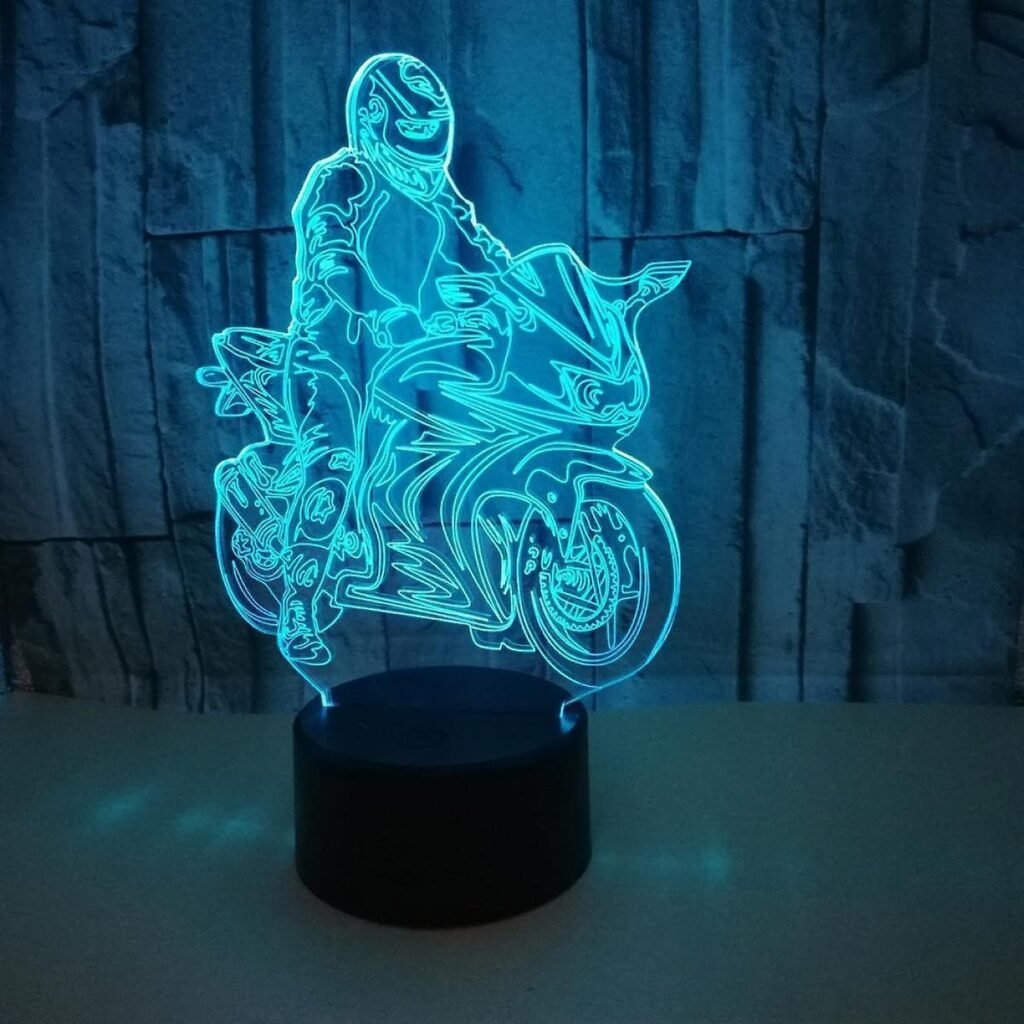
A bike or scooter interest can extend beyond outdoor play. For children who enjoy motocross imagery, a themed bedroom detail may be a thoughtful complementary gift. For example, the Dirt Bike Gifts for Boys, Motocross 3D Night Light Illusion is listed at Nola Baby & Kids as a home bedroom decoration.
The listing describes a 3D visual-effect acrylic light guide plate, touch and remote control, colour and brightness controls, and USB power. As with any electrical bedroom item, review the complete listing, instructions and current availability before ordering, and use it only as directed. It is a décor example for a young motocross fan, rather than riding equipment or a substitute for bike safety gear.
7. Use this final pre-purchase checklist
- Confirm the child’s current skill level and riding confidence.
- Check the manufacturer’s age, size and weight guidance on the exact listing.
- Match the bike or scooter type to the intended riding surface and use.
- Review handlebar, seat and brake reach where relevant.
- Plan for a suitable helmet, footwear and supervision.
- Measure your storage and transport space.
- Read assembly, care and safety details before purchase.
- Check the live product page for price, availability and delivery information.
With these points covered, you can browse the Nola Baby & Kids range with a clearer idea of what will suit your family. A well-matched choice gives a child a more comfortable place to practise, build confidence and enjoy time outdoors.
Frequently asked questions
Should I choose a bike based only on my child’s age?
No. Age guidance is a starting point, but height, leg reach, coordination and prior riding experience are all important. Check the specifications and suitability guidance on the individual product page.
What is the main difference between a balance bike and a pedal bike?
A balance bike focuses on learning balance, steering and gliding without pedals. A pedal bike adds pedalling and usually introduces different braking and coordination demands. The best choice depends on the child’s current skills.
How do I know whether a scooter is suitable for a beginner?
Review the manufacturer’s recommended user guidance, handlebar information, deck details and braking method. Consider the child’s balance and confidence, then begin in a flat, clear area with close adult supervision.
What safety gear does a child need for bike or scooter riding?
A properly fitted helmet and secure enclosed footwear are core considerations. Other protective gear may be appropriate depending on the activity, rider and surface. Always follow local requirements and the manufacturer’s directions.
Is the motocross 3D night light suitable for use as a riding light?
No. The product is listed as bedroom décor and should be used only according to its supplied instructions. It is not riding safety equipment, visibility gear or a replacement for lights designed for a bicycle or scooter.