A wine gift hamper can be a wonderfully personal present, but it is easy to overcomplicate. The most successful hampers are not necessarily the largest ones. They start with the recipient, suit the occasion and bring together a small number of considered items in a presentation that is easy to carry, open and enjoy. This practical guide walks through the process, whether you are preparing a thank-you, housewarming, birthday or corporate-style gift.
Start with the person and the occasion
Before selecting a bottle or basket, take a moment to define the purpose of your gift. A wine hamper for a close friend can be more playful and personal than one for a colleague, while a housewarming gift may benefit from useful entertaining items rather than purely decorative additions.
Use these questions to set a clear direction:
- Who is receiving it? Consider their taste, household, hobbies and any dietary or alcohol preferences you already know.
- What is the occasion? A milestone birthday, settlement gift, host thank-you and seasonal celebration each call for a slightly different tone.
- Will it be shared? A couple or household may appreciate items intended for a relaxed grazing moment; an individual gift can be simpler and more focused.
- How will it be delivered? If you are carrying it yourself, you can use more elaborate presentation. For any order, check the retailer’s current availability and delivery information before checkout.
- What is your budget? Set it early, including the vessel, filler, card and wrapping—not only the contents.
It is also sensible not to assume that everyone drinks alcohol. If you are unsure, ask discreetly or make the non-alcoholic elements strong enough that the hamper still feels generous and useful.
Choose one central wine item
A cohesive wine gift hamper needs an anchor. Often that is a bottle selected for the recipient, but the presentation vessel can be just as important. Rather than adding many unrelated objects, decide on one visual and practical centrepiece, then choose supporting pieces around it.
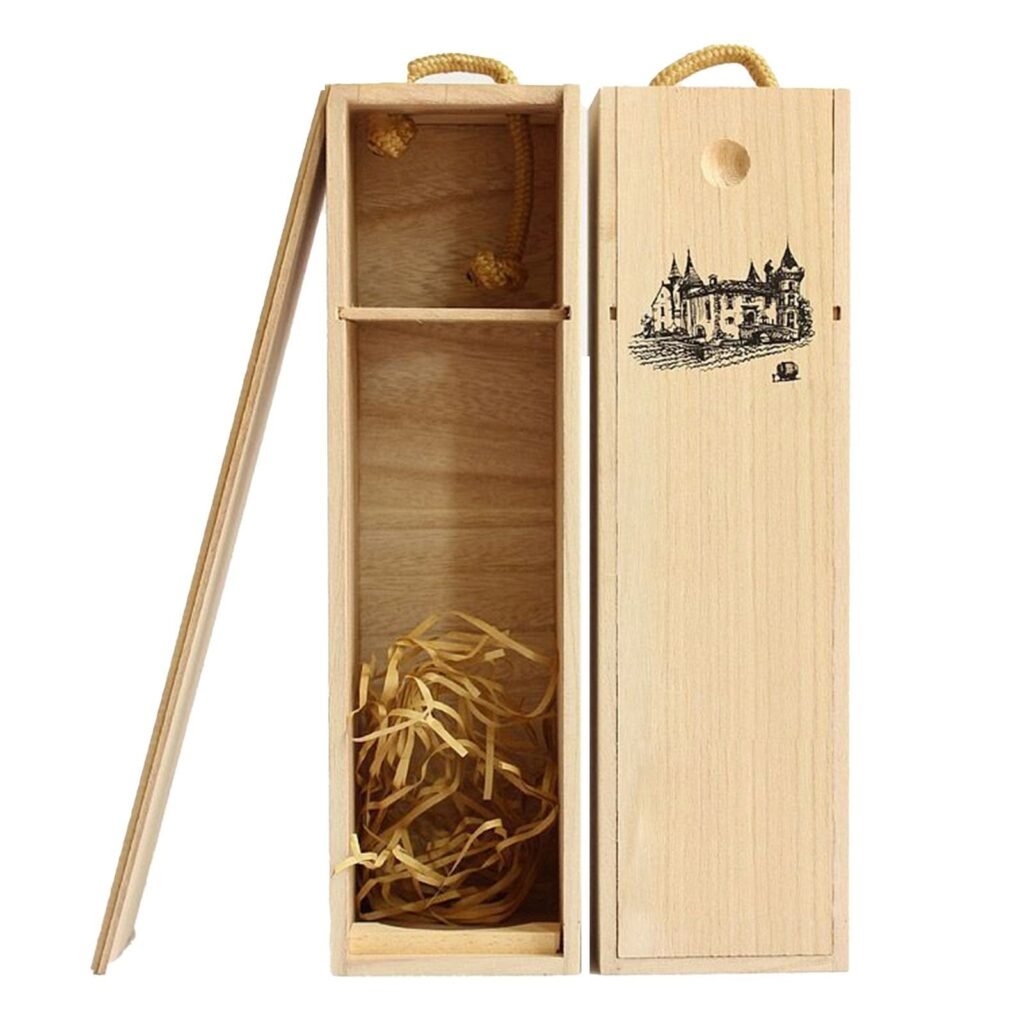
For a more polished, reusable approach, consider a dedicated wine box. The Single Bottle Wooden Wine Box with Lid Decorative Wood Grain Reusable Wine Storage Box is one example of a single-bottle presentation option to review. Its product information describes a wooden construction, decorative wood-grain styling and reuse as storage or décor. Check the current listing details to confirm whether it suits the bottle you intend to present and your overall gifting plan.
A wine box is particularly useful when you want the bottle to remain the focus. It can reduce the need for a large basket, help create a neater reveal and give the recipient something they may repurpose after the occasion.
Match the wine to the moment
If you are choosing the wine separately, keep the decision uncomplicated. Select a style the recipient already enjoys where possible. If their preferences are unknown, avoid presenting an unfamiliar bottle as though it is a universal favourite. A short note such as “for your next celebratory dinner” is warmer and more honest than making claims about taste.
Remember that a wine gift can still be thoughtful without trying to pair every item precisely. The aim is a coherent experience, not a formal tasting exercise.
Select two to four complementary additions
Once the centrepiece is sorted, add only a few supporting elements. Too many items can make a hamper look crowded, increase the chance of damage and dilute the intention behind it. Choose pieces that fit one of three roles: something to enjoy, something useful or something personal.
Items to enjoy
These are the edible or drink-related elements that can make the gift feel ready for a quiet evening or celebration. Depending on the recipient’s needs and the products available, you might choose shelf-stable treats, a favourite tea or coffee, or suitable gourmet pantry items. Read ingredient and allergen information carefully rather than guessing, especially if the gift is for a group.
Useful additions
One practical item can extend the life of the gift. Think about how the recipient might use it after opening: a reusable storage vessel, a small serving accessory or an item that supports entertaining. Avoid adding tools merely to fill space. A useful addition should feel intentional and be appropriate to the recipient’s home and lifestyle.
Personal finishing touches
A handwritten card is often the element people remember. Refer to the occasion, share a brief message of appreciation or mention a future plan to enjoy the gift. Keep it genuine and specific. For business gifting, a concise note that thanks the recipient without overstepping is usually best.
Build the hamper in layers
Good gift-hamper presentation is mostly about stability. Arrange the heaviest item first, then build height and texture around it. This helps the contents look deliberate rather than simply packed together.
- Choose the container. Use a wine box, basket, sturdy tray or reusable container that suits the number and weight of items.
- Create a stable base. Place the bottle or wine box flat and secure, following the product’s intended use. If using a basket, add suitable filler material to prevent movement.
- Add larger supporting items. Put tall or firm pieces behind or beside the centrepiece, ensuring they do not press against the bottle.
- Fill small gaps carefully. Use lightweight, non-fragile items to create balance. Do not force items into tight spaces.
- Add the card last. Position it where it will be noticed when the hamper is opened, while keeping private wording out of view if the gift is being delivered publicly.
- Check from every angle. Lift the hamper gently. If anything shifts, simplify the arrangement or add support before wrapping.
If you use cellophane, fabric or ribbon, keep it functional. Wrapping should protect the hamper and allow the recipient to carry it comfortably. Where possible, choose reusable or recyclable presentation materials and avoid excessive single-use decoration.
Use a wine box as part of the presentation
A dedicated box can make a simple gift feel complete without requiring a large collection of extras. The wooden wine box example above may suit a one-bottle gift with a card, or it can serve as the visual centrepiece within a larger arrangement. Its decorative character means it may also work for occasions where you want the packaging to remain part of the gift.
Before ordering, review the product page for the latest details and consider bottle compatibility, as bottle shapes and sizes vary. Do not force a bottle into any container. If you are gifting the box separately from the wine, you could present it as a reusable storage or display piece instead.
Find ideas without losing your own plan
When you need a starting point, browse a curated collection rather than adding products at random. Nola Shop’s Nola Giftery offers a specialist place to explore gift-focused items and assemble an approach that suits the occasion. For broader inspiration, the Gift Hampers category is a useful place to compare different gifting directions.
As you browse, return to your initial brief: recipient, occasion, budget and delivery method. A clear brief makes it easier to decide whether an item genuinely belongs in the hamper. It also helps you avoid duplicates, impractical pieces and packaging that overwhelms the gift.
Final checks before giving or ordering
- Confirm the recipient is comfortable receiving alcohol, or adjust the gift accordingly.
- Check ingredient, allergen and dietary information for any food items.
- Make sure bottles and fragile items are cushioned and secure.
- Review the spelling of names and your card message.
- Check current product availability, prices and delivery details directly on the relevant product pages before placing an order.
- For workplace or client gifts, consider the recipient organisation’s gifting policy.
A thoughtful wine gift hamper does not depend on excess. One well-chosen bottle or presentation box, a few fitting additions and a sincere message can create a gift that feels considered from the moment it is received.
Frequently asked questions
What should I put in a wine gift hamper?
Start with one central wine-related item, then add two to four complementary pieces. A card, a reusable presentation vessel and suitable shelf-stable treats are common options. Choose items based on the recipient and occasion, rather than trying to include every possible hamper item.
How many items should a wine gift hamper include?
There is no fixed number, but a restrained selection is often easier to present well. A bottle or wine box plus two or three supporting items can look complete. Add more only when the container, budget and recipient genuinely call for it.
Can I give a wine hamper to someone whose preferences I do not know?
Yes, but take care. If you are uncertain about alcohol preferences, dietary needs or workplace policies, choose broadly useful non-alcoholic elements or ask discreetly. A gift should feel welcoming, not create pressure for the recipient.
Is a wooden wine box reusable after gifting?
Many wooden wine boxes are designed to be retained as decorative or storage items, but uses depend on the individual product. The Single Bottle Wooden Wine Box listing describes it as reusable; review the current product details and care information before deciding how it might be used.
How do I keep a wine hamper secure during transport?
Place heavy items at the base, cushion gaps with appropriate filler and avoid stacking fragile items where they can knock together. Test the arrangement with a gentle lift before wrapping. If the hamper is being shipped, follow the seller’s packaging and delivery guidance.
Where can I browse gift hamper ideas at Nola Shop?
You can browse the Gift Hampers category at Nola Giftery, then review individual product pages for current details before ordering.