Knowing how to choose a dog bowl can make everyday feeding simpler for both you and your dog. The right bowl should suit your dog’s muzzle shape, meal portions, eating habits and your own cleaning routine. Rather than choosing on appearance alone, take a moment to compare material, dimensions, depth, base design and where the bowl will be used.
At Nola Pet Care, you can explore pet essentials across a range of everyday needs. For feeding-time options specifically, the Dog Bowls collection gives you a useful starting point for comparing different styles.
Start with your dog’s eating and drinking habits
There is no universal “best” dog bowl. A bowl that works neatly for a small, slow-eating dog may be awkward for a large dog with a longer muzzle, or impractical for a dog that pushes its bowl around the kitchen.
Before shopping, observe a normal meal or water break. A few simple questions can narrow the field:
- Does your dog eat dry food, wet food or a combination?
- Do they drink a great deal of water at one time?
- Do they have a short, broad or long muzzle?
- Do they eat calmly, or nose and paw the bowl across the floor?
- Will the bowl stay in one location or travel with you?
- Do you need separate bowls for food and water?
Your answers help determine whether a shallow plate-style dish, a deeper bowl, a wider base or a lighter portable option makes the most sense. It is also sensible to keep food and water bowls separate, as this makes each easier to refresh and clean.
Choose a dog bowl size based on practical fit
When considering dog bowl size, look beyond a label such as small, medium or large. The useful question is whether your dog can reach their food comfortably without their ears dipping into it or their muzzle constantly pressing against the sides.
Consider diameter, depth and capacity separately
A bowl’s diameter affects how much room a dog has to access food. Depth affects whether food stays contained and how far your dog must reach. Capacity matters for the quantity of food or water you plan to serve, but it is not always listed, so check the product page carefully before ordering.
As a general approach:
- Smaller dogs often manage well with a compact bowl that does not feel oversized or difficult to reach into.
- Dogs with broad or flat faces may find a wider, shallower dish easier to use than a narrow, deep bowl.
- Larger dogs commonly need a wider and/or deeper option with enough room for their usual meal or water serving.
- Messy drinkers may benefit from a bowl shape and placement that helps contain splashes, alongside a washable mat if needed.
Measure the space where the bowl will sit as well. A generously sized bowl is only convenient if it fits safely away from doorways and busy walkways. For puppies, choose for their current practical needs, then reassess as they grow rather than assuming one bowl will suit every stage.
Compare dog bowl materials thoughtfully
Material influences cleaning, weight, durability and appearance. No material removes the need for regular washing, but choosing one that matches your household routine can make it easier to maintain good feeding hygiene.
Stainless steel dog bowls
Stainless steel is a common option for everyday feeding dishes because it has a smooth surface and is straightforward to wipe and wash. It can also be a practical choice for households wanting a bowl that is less likely to crack than some rigid alternatives.
When comparing stainless steel bowls, examine the stated material details, edges, shape and care information on the listing. Also consider how much the bowl weighs. A lightweight dish may be convenient to carry, while a heavier or non-slip design may stay put more effectively for an enthusiastic eater.
Other materials
Ceramic, plastic and silicone-style options each have different uses, but they also deserve a close inspection for chips, cracks, scratches or wear. A damaged surface can be harder to keep clean, so replace a bowl when it no longer feels smooth, sound and suitable for regular use.
Whatever material you choose, follow the care guidance provided with that specific product. Avoid assuming that every bowl is suitable for a dishwasher, microwave or outdoor storage unless the product information confirms it.
Think about shape, edges and stability
A dog bowl should be comfortable to approach and simple for you to handle. Details that appear minor online can make a difference once the bowl is in daily use.
Wide versus deep designs
Wide dishes can give a dog more room to access food, while deeper sides may help keep kibble, water or wet food more contained. The best balance depends on your dog’s muzzle and how they eat. If you are unsure, start with your dog’s usual feeding behaviour instead of selecting based on appearance alone.
Rounded edges
Look for a smooth finish without rough or sharp-feeling edges. This is useful for your dog’s comfort and for safe handling when you wash, dry and move the bowl. A bowl that is easy to grip is also more pleasant to use several times each day.
Keeping the bowl in place
If your dog nudges their food around the floor, stability becomes important. Some bowls have a broader base, while others are best paired with a suitable feeding mat. Place bowls on a level surface and check that they do not rock when filled. This simple step can help reduce spills and make meals less frustrating.
Cleaning and care matter every day
A well-chosen dog bowl should fit into a realistic cleaning routine. Food residue and water can build up quickly, particularly around rims, corners and bases, so a bowl with a simple shape is often easier to manage.
For everyday care:
- Empty leftover food after meals rather than leaving it sitting for extended periods.
- Refresh drinking water regularly.
- Wash food and water bowls with warm water and an appropriate washing-up product, then rinse thoroughly.
- Dry bowls properly before refilling or stacking them away.
- Inspect for damage, rough edges, stubborn residue or other signs that a replacement may be needed.
It can be helpful to keep a spare bowl available, particularly if you wash bowls at the end of the day or take your dog away from home. A spare also makes it easier to rotate bowls while ensuring your dog still has access to fresh water.
A stainless steel plate-style option to consider
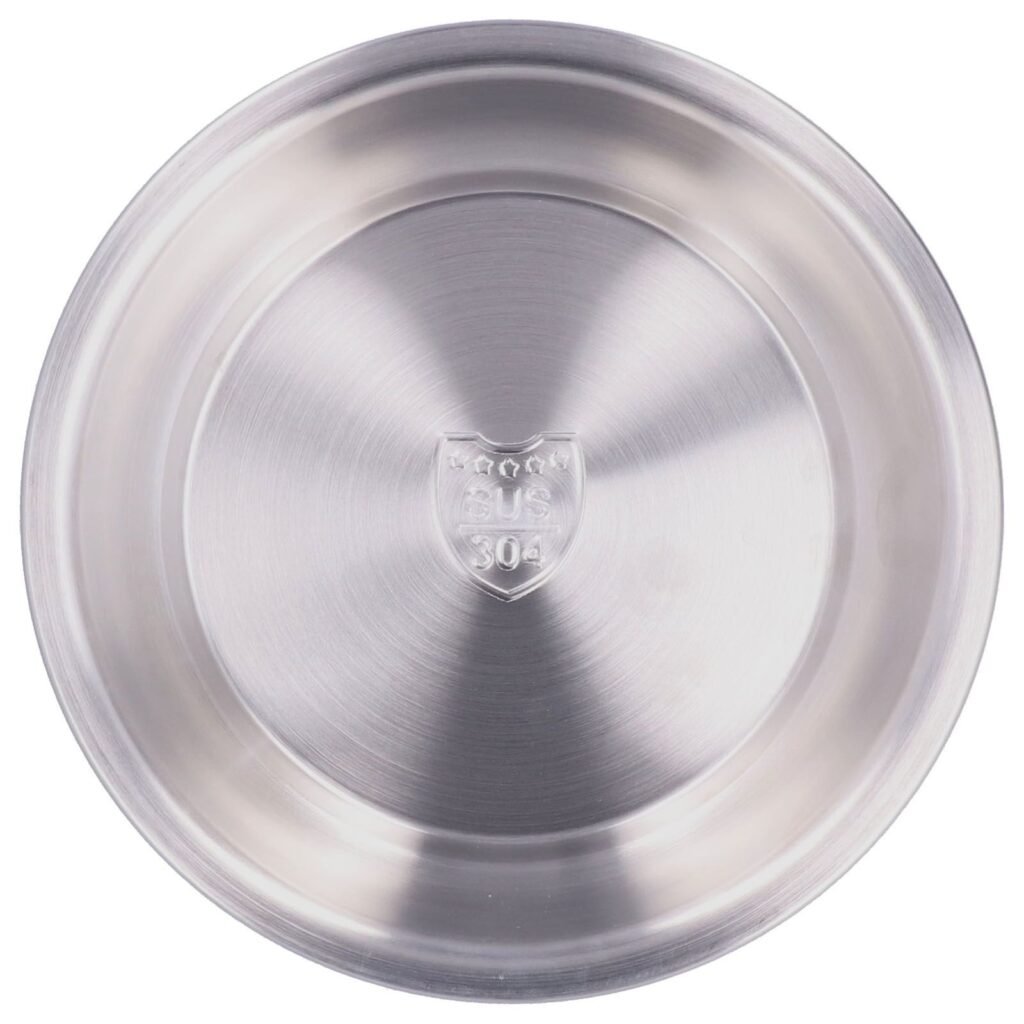
If a broad, straightforward feeding dish suits your dog’s needs, consider the Stainless Steel Plate 304 Food Grade Material Stainless Steel Rounded Deepen Dish for Eating 22cm/8.7in as one example within the collection.
The product listing describes a 22 cm/8.7 in stainless steel dish with rounded, mirror-polished edges. It is described as BPA free, reusable, stackable and suitable for indoor or outdoor use. Its plate-style, deepened design may appeal to shoppers seeking a dish that can be easily held and stored. As with any bowl, check the listed dimensions against your dog’s usual serving size and feeding style before making a decision.
This option will not necessarily suit every dog or every purpose. For example, a dog that needs a high-capacity water bowl, an especially weighty base or a specialised feeding format may require a different design. Browse the wider Nola Pet Care Dog Bowls range to compare alternatives, and review current availability and delivery information at checkout.
Quick checklist before you buy a dog bowl
Use this checklist to make a more confident choice:
- Is the bowl wide and deep enough for your dog’s muzzle and usual portion?
- Does the shape work for food, water or both?
- Is the material easy for you to clean and inspect?
- Are the edges smooth and comfortable to handle?
- Will the bowl stay stable where your dog eats?
- Does it fit the intended feeding area and storage space?
- Have you checked the product page for dimensions and care details?
Choosing with these basics in mind can help you find a bowl that supports a tidy, repeatable feeding routine. Explore Nola Pet Care when you are ready to compare feeding essentials and other pet supplies.
Frequently asked questions
What is the best material for a dog bowl?
The best material depends on your priorities. Stainless steel is often selected for its smooth, easy-to-wash surface and everyday practicality. Compare the individual product’s material details and care instructions, and replace any bowl that becomes damaged or difficult to clean.
How do I know if a dog bowl is the right size?
Check the bowl’s diameter, depth and stated capacity where available, then compare them with your dog’s muzzle, usual portion and drinking habits. Your dog should be able to reach their food comfortably without excessive crowding around the rim.
Should food and water go in separate bowls?
Yes, separate bowls are generally more practical. They allow you to wash away food residue without disrupting access to water, and make it easier to refresh water throughout the day.
How often should I wash my dog’s bowl?
Food bowls should be washed after use or at least daily, depending on what you feed. Water bowls also need regular washing and fresh water. More frequent cleaning may be needed in warm weather or when bowls become visibly dirty.
Is a deep dog bowl always better?
No. A deeper bowl may help contain food or water, but it may not suit every muzzle shape or feeding style. Some dogs are more comfortable with a wider, shallower dish. Match depth to your dog’s practical needs rather than choosing depth alone.