
Family feeding routine ideas do not need to mean running your home to a strict timetable. For many Australian families, the most sustainable approach is a few thoughtful zones, simple repeatable habits and tools that make food preparation feel less rushed. Whether you are nursing, bottle feeding, introducing solids or managing snacks for growing children, a flexible set-up can make everyday care easier to navigate.
This is about creating a home rhythm that works for your household rather than chasing a picture-perfect routine. Start with one small change—perhaps a better-prepared feeding basket or a dedicated place for chilled portions—and build from there.
Begin with a flexible family feeding rhythm
Babies and children do not always eat to the clock, and their needs can change quickly. Instead of treating a routine as a rigid schedule, think of it as a sequence of familiar actions: prepare, feed, clean up, reset. Repeating that sequence can reduce decision fatigue, particularly during busy mornings and evenings.
It can help to identify the moments that create the most pressure in your day. Perhaps it is preparing a bottle while another child needs breakfast, finding clean feeding accessories, or working out what to offer at afternoon snack time. Choose one pinch point and make that step more straightforward.
Create a simple “ready when needed” basket
A portable basket or caddy can keep commonly used items together in the room where feeds most often happen. Its contents will vary by family, but you may like to include:
- clean burp cloths or bibs;
- a drink bottle and easy snack for the adult;
- spare wipes and a small cloth for quick clean-ups;
- a book, quiet toy or activity for an older sibling; and
- any feeding items you use regularly, stored clean and dry.
The aim is not to stockpile every possible item. A modest, replenished basket helps avoid leaving a settled child simply to search through cupboards.
Use visual cues rather than complicated schedules
For toddlers and older children, simple cues can make transitions more predictable. A hand-washing song, a placemat laid on the table or a familiar cup can signal that it is time to eat. These small rituals are often easier to maintain than an elaborate chart, and they can travel well between home, grandparents’ houses and childcare routines.
Set up feeding spaces that are calm and practical
A feeding area does not need dedicated furniture or a large nursery. What matters is that it is comfortable, easy to clean and arranged around the way your family actually uses it. Keep high-use items accessible, while storing less frequent pieces elsewhere to reduce bench and table clutter.
For nursing or bottle feeds, consider a comfortable seat with water, a cloth and a soft light nearby. For solids and family meals, think about the shortest route between food preparation, the table or highchair, and the clean-up point. Fewer back-and-forth trips can make a noticeable difference when hands are full.
Make the kitchen work harder, not look busier
Assigning small zones in the kitchen can support feeding routines without a full reorganisation. One shelf might hold everyday cups, bowls and utensils; one container in the fridge can hold ready-to-use ingredients; and one bench section can be kept clear for food preparation. Labelled containers are useful when more than one adult shares meal duties.
Within the Nursing & Feeding collection, there are a range of items to browse when you are considering how your own set-up could function. Focus on the tasks you repeat most often, rather than buying for every possible future stage at once.
Build gentle batch-prep habits around real life
Batch preparation can be as small as washing fruit, portioning a few snacks or making one ingredient that can appear in several meals. It does not have to be a full day of cooking. The most useful habit is usually the one you can repeat on an ordinary week.
For example, you could prepare family-friendly meal components when you have time, then use them in different ways across the next few days. Suitable foods and textures depend on a child’s age, development and individual needs. Follow safe food-handling guidance, supervise children while eating, and seek personalised advice from a qualified health professional if you have concerns about feeding or allergies.
Think in components, not perfect meals
Keeping a few basic components on hand can make it easier to assemble food without starting from scratch. Depending on your household, that might mean cooked vegetables, fruit, yoghurt, grains or other familiar foods. Offer age-appropriate foods and prepare them safely for the person eating them.
A component approach also makes family meals more adaptable. Adults and older children may enjoy a dish one way, while a younger child has appropriately prepared elements from the same meal. It can reduce the feeling that every person needs a completely separate menu.
Use small portions to reduce waste and simplify choices
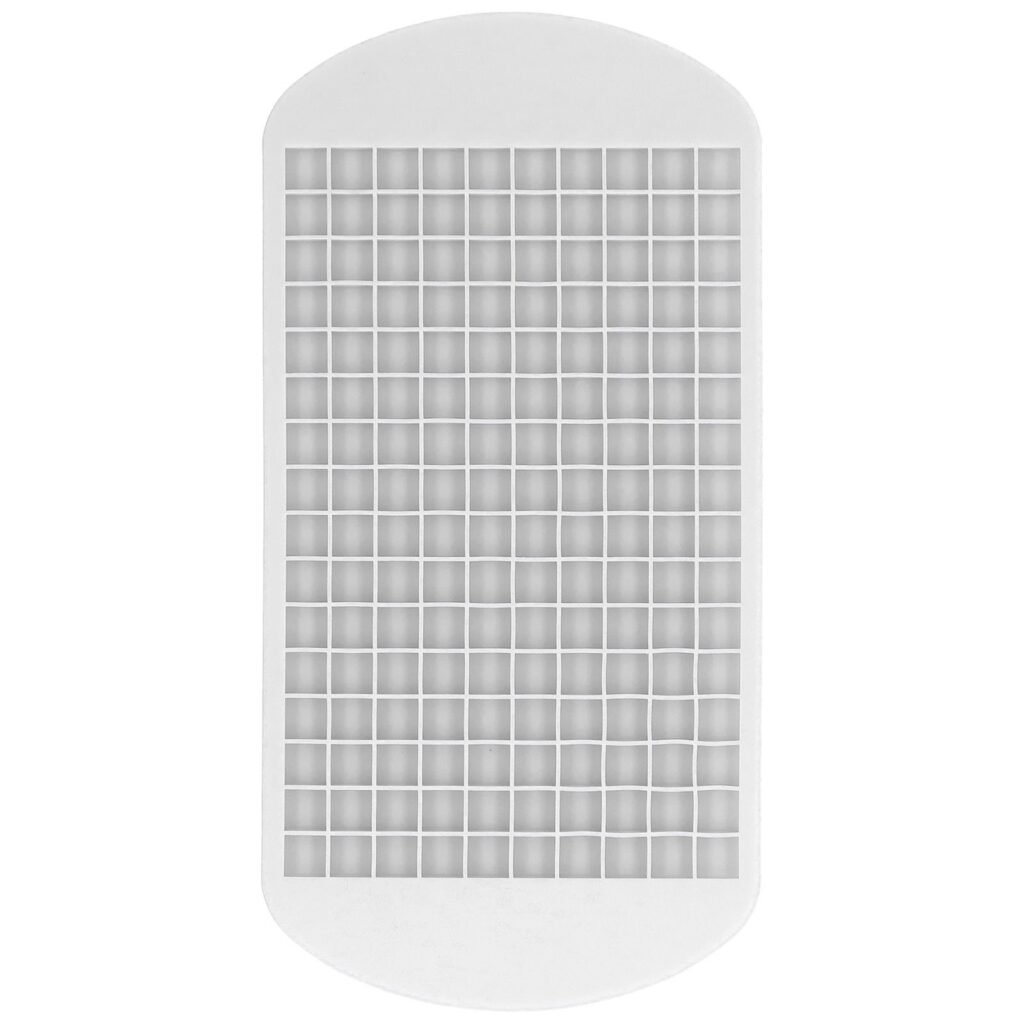
Small, manageable portions can be helpful when trying new foods or preparing cool additions for drinks and family cooking. An item such as the Ice Cubes Tray Mold Food Grade Silicone Mold DIY Baking Tools for Pudding Ice Cream Cake ChocolateWhite is one example from the collection to consider for household food-prep tasks. Its product listing describes a flexible silicone mould with multiple small cavities.
Before using any kitchen item with food, review the product information and care directions, clean it before first use, and check that the intended use suits your plans. If preparing food for babies or young children, take extra care with hygiene, portion size, texture and serving temperature. An ice-cube-style mould is not a substitute for supervision or age-appropriate food preparation.
Make feeding a shared household responsibility
A smoother routine is not solely about the person doing the feed. Other adults and older siblings can support the surrounding tasks: filling water bottles, setting up the table, packing a snack container, wiping surfaces or resetting the feeding basket. Sharing these small jobs can make feeding feel more manageable and inclusive.
It can also be useful to keep a short, visible note of household preferences. This might include where everyday items live, which cups are used most often, or a reminder to check what needs washing. Keep information practical and update it as your child’s needs change.
Plan for the post-meal reset
The end of a meal is often where a routine falls apart. A five-minute reset can help: clear food, wipe the eating surface, rinse used items if appropriate and return key pieces to their usual place. You do not need to make the kitchen immaculate after every feed; the goal is simply to make the next meal easier to begin.
If you are looking for ideas across feeding, care and family life, explore Nola Baby & Kids. Browsing by task can be more useful than browsing with a long wish list: consider what would help with preparation, serving, cleaning or storage in your current routine.
Let routines change as your child grows
What works during newborn feeds may not suit the solids stage, and a toddler’s snack routine may change again when preschool begins. Review your set-up occasionally rather than trying to predict every future requirement. Remove items you no longer use, move everyday pieces within easier reach and adjust food-prep habits to fit your current week.
A helpful family feeding rhythm leaves room for appetite changes, appointments, tired days and the occasional takeaway night. Consistency comes from returning to a few useful basics—not from getting every meal exactly right.
Frequently asked questions
How do I start a feeding routine without making it too strict?
Start with one repeatable sequence, such as washing hands, sitting down, eating and clearing the space. Use it as a familiar pattern rather than a fixed timetable. This gives children helpful cues while allowing for changing hunger, sleep and family commitments.
What should I keep in a feeding station?
Keep only the items you reach for frequently: clean cloths, wipes, a drink for the adult, bibs and any regularly used feeding accessories. Review the basket each week so it stays useful rather than becoming a catch-all storage spot.
Are batch-prep ideas suitable when introducing solids?
They can be, provided foods are selected and prepared for your child’s age and developmental stage. Use safe food-handling practices, serve suitable textures, supervise eating and obtain advice from a health professional for individual feeding, allergy or growth questions.
How can I make family meals easier with a baby or toddler?
Choose simple meals with adaptable components, prepare one or two elements ahead, and set out the basics before hunger peaks. A small post-meal reset also reduces the work waiting for you at the next meal.
What should I check before choosing food-prep accessories?
Consider the task, cleaning requirements, storage space and the product’s care instructions. Check the listing for current availability and delivery information before ordering. For items used around children, ensure your planned use is appropriate and maintain close supervision during meals and food preparation.


